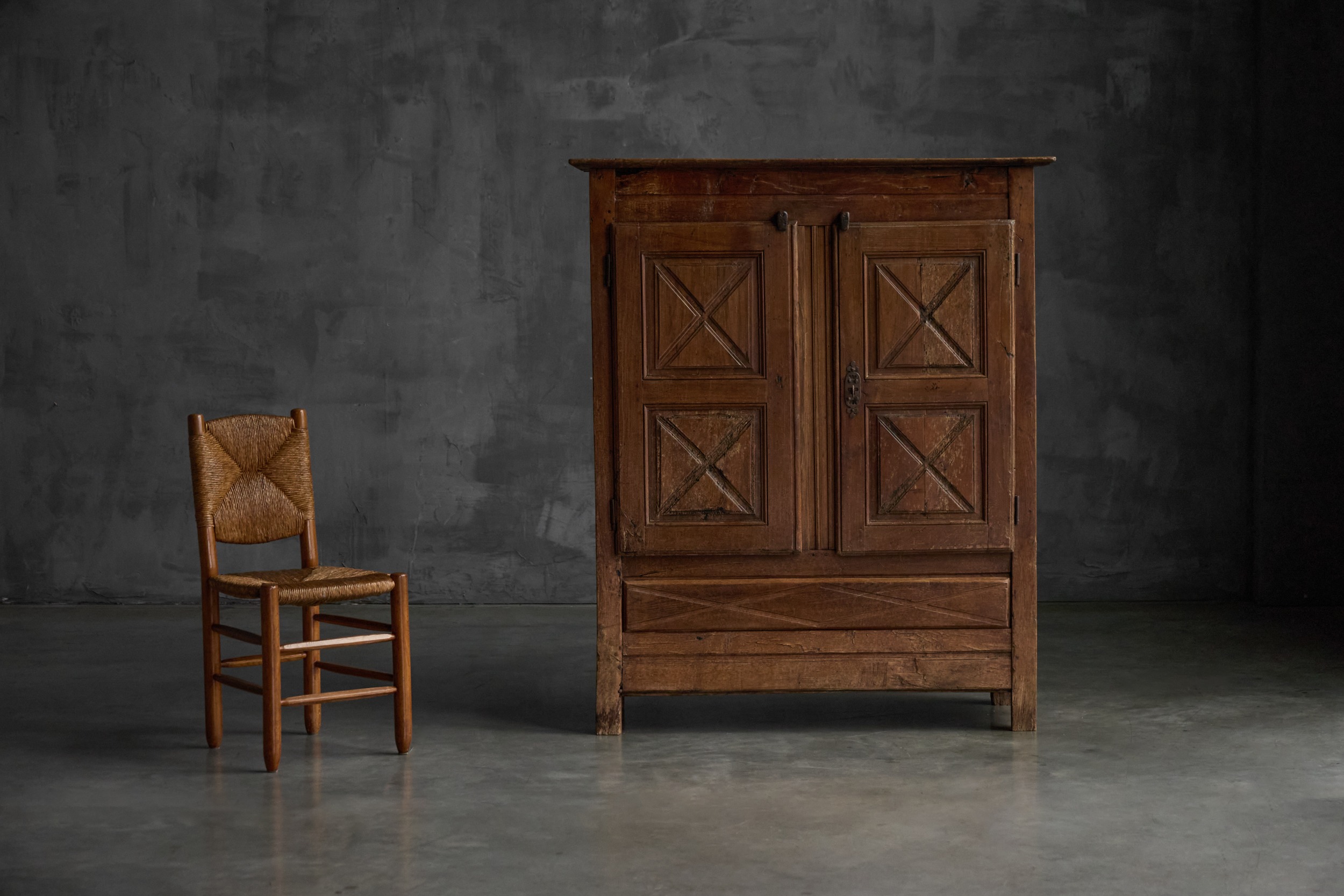
Vintage furniture has a distinctive ability to connect history with contemporary living. Unlike mass-produced pieces designed primarily for convenience, many objects created during the 20th century reflect a particular designer’s vision, a period’s cultural influences, and an evolving understanding of materials and craftsmanship. For collectors and interior enthusiasts, these qualities make vintage furniture a fascinating field of discovery.
Across Europe, interest in collectible design continues to encourage a closer appreciation of furniture as both functional equipment and cultural expression. In Antwerp, Belgium, Goldwood by Boris is part of this design-oriented environment, bringing attention to furniture, collectible design, and decorative objects with an emphasis on individuality and historical character.
Furniture as a Record of Its Time
The history of 20th-century furniture is closely connected to broader changes in society. Industrial manufacturing introduced new possibilities for production, while developments in plastics, steel, plywood, glass, and other materials expanded the vocabulary available to designers.
Different decades consequently developed recognisable visual languages. Mid-century furniture often explored clean lines and practical forms, while later designers experimented more freely with colour, scale, symbolism, and unconventional materials. Understanding these developments can transform the way a collector views a chair, table, cabinet, or lighting object.
A vintage piece is therefore more than an isolated object. It can represent a particular approach to technology, craftsmanship, aesthetics, and everyday life.
The Value of Craftsmanship
One of the most compelling reasons to collect vintage furniture is the opportunity to experience craftsmanship that may be difficult to reproduce today. Traditional woodworking, carefully executed joinery, hand-applied finishes, and considered material selection can all contribute to an object’s character.
Close observation often reveals details that are not immediately visible in photographs. The proportions of a cabinet, the construction of a frame, the texture of a surface, or the way hardware has been integrated can provide clues about its production and intended use.
For collectors, learning to recognise these details is part of the pleasure. It encourages a slower and more informed approach to buying, where quality and design integrity can be considered alongside appearance.
Authenticity, Condition and Research
Buying vintage furniture responsibly requires more than recognising a familiar design style. Authenticity and condition should always be considered carefully.
Research into a designer, manufacturer, production period, materials, and documented examples can help establish context. Original labels, markings, construction methods, and archival references may also contribute useful information.
Condition is equally important. Some signs of age can enhance the character of a vintage object, particularly when they reflect natural use and patination. Other forms of damage or alteration may have a more significant impact. Restoration should therefore be approached thoughtfully, with attention to preserving the qualities that make an object historically and aesthetically interesting.
Specialist dealers can play a valuable role in this process by providing available information and discussing the condition of individual pieces openly.
Bringing Vintage Pieces into Modern Homes
One of the strengths of collectible furniture is its ability to work beyond its original setting. A carefully chosen vintage piece can introduce contrast and personality into an otherwise contemporary interior.
Consider a sculptural lounge chair placed within a minimalist living room, or a distinctive wooden cabinet positioned against a modern architectural backdrop. The difference in period can create visual tension without making the room feel disconnected.
Smaller decorative objects can be equally effective. A ceramic vessel, mirror, lamp, or unusual accessory can introduce historical texture without requiring a complete change of interior style.
Rather than recreating a particular decade, many contemporary collectors use vintage pieces selectively. The result can feel personal, layered, and naturally evolved.
Collecting with Curiosity
There is no single formula for building a collection. Some people begin with a particular designer or movement, while others discover pieces organically through galleries, specialist dealers, exhibitions, and auctions.
The most useful habit is curiosity. Before purchasing, it can be worthwhile to ask why an object is interesting, how it was produced, whether its condition is appropriate for its age, and how it relates to the collector’s existing environment.
Over time, these questions help develop a more refined understanding of personal taste. A collector may begin by responding to colour or silhouette and eventually develop an appreciation for construction techniques, material combinations, or less obvious design movements.
A Specialist Perspective from Antwerp
Antwerp provides a distinctive cultural setting for exploring art, architecture, antiques, and design. Within this environment, Goldwood by Boris offers an avenue for discovering furniture and decorative objects connected to the rich history of 20th-century design.
Those researching the background of the business may also come across the name boris devis. Regardless of where a collector begins their research, understanding the context surrounding individual objects can make the process considerably more rewarding.
Specialist knowledge is particularly valuable when a piece has an unusual history, distinctive construction, or characteristics that are difficult to assess without experience. Clear information allows collectors to approach purchases with greater confidence while developing their own knowledge of design.
Choosing Pieces for the Long Term
A strong collection does not necessarily depend on acquiring rare objects as quickly as possible. Thoughtful collecting is often about selecting pieces that continue to offer visual, historical, or functional interest over time.
Furniture can be appreciated through daily use as well as careful observation. A well-designed chair can remain part of everyday life, while a striking cabinet or decorative object can become a long-term focal point within a home.
This combination of usefulness and cultural value is one reason 20th-century furniture remains relevant. It allows history to exist within contemporary spaces rather than being confined to exhibitions or archives.
For anyone beginning to explore vintage furniture, the journey can start with something as simple as learning to look more closely. By understanding materials, construction, design movements, provenance, and context, collectors can discover why particular objects have endured—and why they continue to inspire new generations of design enthusiasts.
Congrats! You’ve Finished This Blog.