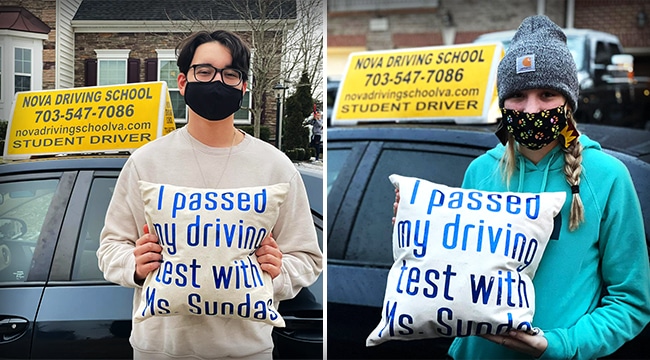
Learning to drive is a responsibility that extends far beyond obtaining a license. It requires discipline, awareness, and the ability to make safe decisions in constantly changing road conditions. Northern Virginia is known for its busy highways, expanding suburbs, and dense urban areas, making professional driver education especially important. A well-structured driving program equips students with the confidence and skills needed to navigate these challenges safely and responsibly.
Professional driving instruction focuses on more than basic vehicle operation. It emphasizes defensive driving, understanding traffic laws, and adapting to real-world scenarios. Reputable institutions like Nova Driving School VA are designed to prepare students for everyday driving situations while promoting long-term road safety and responsible habits.
The Value of Area-Specific Driving Lessons
One of the most important advantages of professional driver education is localized instruction. Each community in Northern Virginia presents unique driving conditions that require specific skills and awareness.
For example, students enrolled in Driving School Aldie programs often begin their lessons on calm, low-traffic roads. This setting allows new drivers to build foundational skills such as steering control, braking, and signaling before transitioning to busier streets. Likewise, Driving School Ashburn instruction commonly includes navigating shopping centers, school zones, and commuter routes, helping students adapt to daily traffic patterns.
In family-oriented neighborhoods, Driving School Broadlands and Driving School Stone Ridge programs emphasize pedestrian awareness and safe driving in residential areas. These communities often have children, cyclists, and parked vehicles, requiring drivers to remain alert and patient at all times. Learning these habits early helps reduce the likelihood of accidents and encourages courteous driving behavior.
Training for Town Centers and Urban Roads
Driving in town centers introduces additional complexity. Driving School Leesburg courses frequently involve practice in areas with historic streets, narrow lanes, and frequent intersections. Students learn how to adjust speed, obey signage, and remain attentive in mixed-traffic environments.
Urban settings demand an even higher level of focus. Driving School Arlington County instruction is particularly valuable for drivers who must handle heavy congestion, public transportation interactions, and frequent pedestrian crossings. Professional training in such environments teaches students how to anticipate hazards, manage stress, and maintain control even during peak traffic hours.
Developing Confidence in High-Traffic Areas
Northern Virginia is home to several major highways and commercial corridors. Driving School Manassas programs often prepare students for navigating busy intersections, multi-lane roads, and varied traffic signals. Exposure to these conditions during lessons helps new drivers gain confidence and develop sound judgment before driving independently.
Similarly, Driving School McLean instruction focuses on defensive driving strategies in fast-paced traffic. Students practice safe lane changes, proper following distances, and smooth merging techniques. These skills are essential for reducing collision risk and ensuring safety on major roadways.
For drivers in quieter or semi-rural areas, Driving School Round Hill programs provide experience on winding roads, uneven terrain, and roads with limited visibility. Such conditions teach drivers to stay alert, manage speed effectively, and anticipate unexpected obstacles, all of which are critical skills for safe driving.
Meanwhile, Driving School Manassas Park instruction balances residential and commercial driving experiences. Students learn to navigate neighborhood streets while also preparing for longer trips and unfamiliar roads, making them adaptable and confident drivers.
What Sets a Professional Driving School Apart
Choosing the right driving school requires careful consideration. Professional programs are defined by certified instructors, structured lesson plans, and a strong emphasis on safety. Skilled instructors understand that every student learns differently and adjust their teaching methods accordingly.
A comprehensive curriculum blends classroom instruction with behind-the-wheel practice. Topics such as traffic laws, road signs, and hazard recognition should be reinforced during real driving sessions. This approach helps students apply theoretical knowledge in practical situations, strengthening their understanding and confidence.
Vehicle safety is another critical factor. Well-maintained, modern vehicles equipped with dual controls ensure a safe learning environment for students and instructors alike. Clear communication, flexible scheduling, and transparent policies further demonstrate a school’s professionalism and commitment to student success.
Institutions such as Nova Driving School VA recognize that driver education is an investment in the future. By prioritizing responsible driving habits over quick results, they help create safer roads and more confident drivers across the region.
Conclusion
Professional driving education is a crucial step toward independence and lifelong road safety. Northern Virginia’s diverse driving environments demand instruction that is thorough, locally informed, and professionally delivered. From suburban neighborhoods to busy urban centers, the right training prepares drivers to handle any situation with confidence and care. By choosing a professional driving school that emphasizes safety, awareness, and real-world experience, students gain skills that benefit them—and everyone else on the road—for years to come.
Congrats! You’ve Finished This Blog.