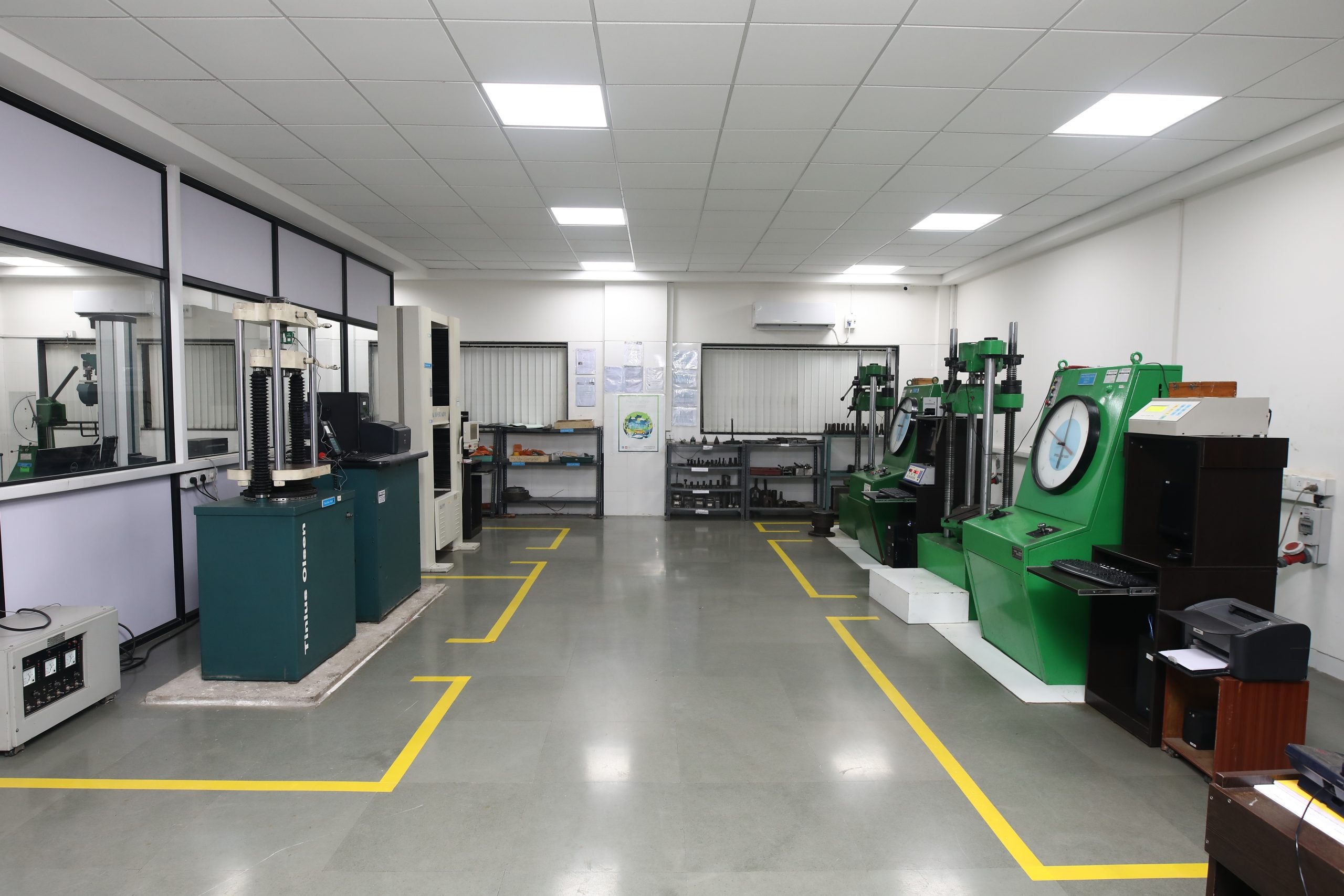
In modern manufacturing, product quality depends heavily on the performance and reliability of the materials used. Mechanical Testing Services provide manufacturers, engineers, and quality-control teams with valuable information about how materials respond to different forces and operating conditions. By evaluating strength, flexibility, hardness, durability, and other important characteristics, businesses can make informed decisions before materials are used in critical products or applications.
Understanding the Importance of Mechanical Testing
Materials are exposed to different types of stress during manufacturing and actual use. Depending on the application, a component may experience tension, compression, bending, impact, vibration, or repeated loading. Even a material that appears strong may have weaknesses that are not visible during a simple visual inspection.
Mechanical testing helps identify these characteristics through controlled laboratory procedures. The results can show how much force a material can withstand, how it behaves when deformed, and when it may eventually fail. This information is particularly valuable for industries where safety and long-term performance are major priorities.
Different Types of Mechanical Tests
There are several mechanical tests available, and each one evaluates a specific property of a material. Tensile testing measures the behavior of a material when it is pulled apart. It can provide information about tensile strength, yield strength, elongation, and other properties.
Compression testing examines how materials respond when subjected to compressive forces. Hardness testing determines how resistant a material is to indentation or surface deformation. Impact testing, meanwhile, evaluates the ability of a material to absorb sudden energy.
Bend and flexural tests can also be performed when a product needs to withstand bending forces during service. Selecting the appropriate test depends on the material type, product design, industry requirements, and intended application.
Supporting Product Development
Testing is an important part of product development because it allows engineers to understand material performance before a product enters full-scale production. When multiple materials are available, test results can help teams compare their properties and identify the most suitable option.
For example, an engineer may need to choose between two materials that have similar appearances but different strength or durability characteristics. Laboratory data can make this decision more objective and reduce dependence on assumptions.
Testing can also help identify design limitations. If a component fails during testing, engineers can investigate the reason and make necessary improvements before the product reaches customers. This approach can reduce development costs and minimize the risk of expensive recalls or field failures.
The Role of Paint Testing
Material performance is not limited to the base material itself. Surface coatings and protective finishes can also influence the service life of a product. This is where Paint Testing Services become valuable for manufacturers and coating professionals.
Paint testing can evaluate properties such as adhesion, thickness, hardness, flexibility, resistance to environmental exposure, and surface durability. Proper evaluation helps determine whether a coating can provide the protection expected under actual operating conditions.
For products exposed to moisture, chemicals, heat, sunlight, or mechanical wear, a reliable coating can be essential. Testing helps identify weak points in a paint system and provides useful information for improving coating selection and application methods.
Quality Control in Manufacturing
Consistent quality is one of the biggest challenges in large-scale manufacturing. Variations in raw materials, processing conditions, surface preparation, and production methods can affect final product performance.
Regular laboratory testing allows manufacturers to monitor these variations. Samples can be evaluated at different stages of production to determine whether they meet predefined requirements. If unusual results are detected, corrective action can be taken before a larger quantity of products is affected.
This proactive approach can improve manufacturing efficiency and reduce material waste. It can also help companies maintain consistent product quality across different production batches.
Importance of Testing Standards
Testing should be performed according to suitable industry standards whenever applicable. Standards provide defined procedures for sample preparation, equipment requirements, testing conditions, and result evaluation.
Following recognized standards makes test results more consistent and easier to compare. It can also help manufacturers meet customer specifications, regulatory requirements, certification needs, and internal quality objectives.
The exact standard used depends on the product, material, industry, and purpose of the test. Therefore, selecting the correct testing method is an important part of obtaining meaningful results.
Benefits for Different Industries
Mechanical and coating evaluation can support a wide range of industries. Automotive manufacturers use testing to assess components and materials that must withstand demanding operating conditions. Construction companies rely on material evaluation to improve structural reliability.
Aerospace, electrical, energy, machinery, metal processing, and general manufacturing industries can also benefit from laboratory testing. In each sector, the objective is similar: obtain dependable information that can support better engineering and quality decisions.
Choosing a Reliable Testing Laboratory
The quality of a test result depends on several factors, including equipment condition, testing procedures, sample preparation, calibration, and technical expertise. Businesses should therefore consider these factors when selecting a laboratory.
A professional facility should have suitable testing equipment, trained personnel, controlled procedures, and proper documentation practices. Clear reporting is equally important because engineers and quality teams need to understand the results and apply them effectively.
Conclusion
Reliable testing provides manufacturers with a stronger foundation for making technical and quality-related decisions. By evaluating material behavior and protective coating performance, businesses can identify potential problems, improve product designs, and maintain consistent manufacturing standards.
Whether the objective is product development, quality control, failure investigation, or performance verification, laboratory testing can provide valuable evidence about how a product is likely to perform in real-world conditions. Investing in proper testing is therefore an important step toward developing safer, stronger, and more dependable products.
Congrats! You’ve Finished This Blog.