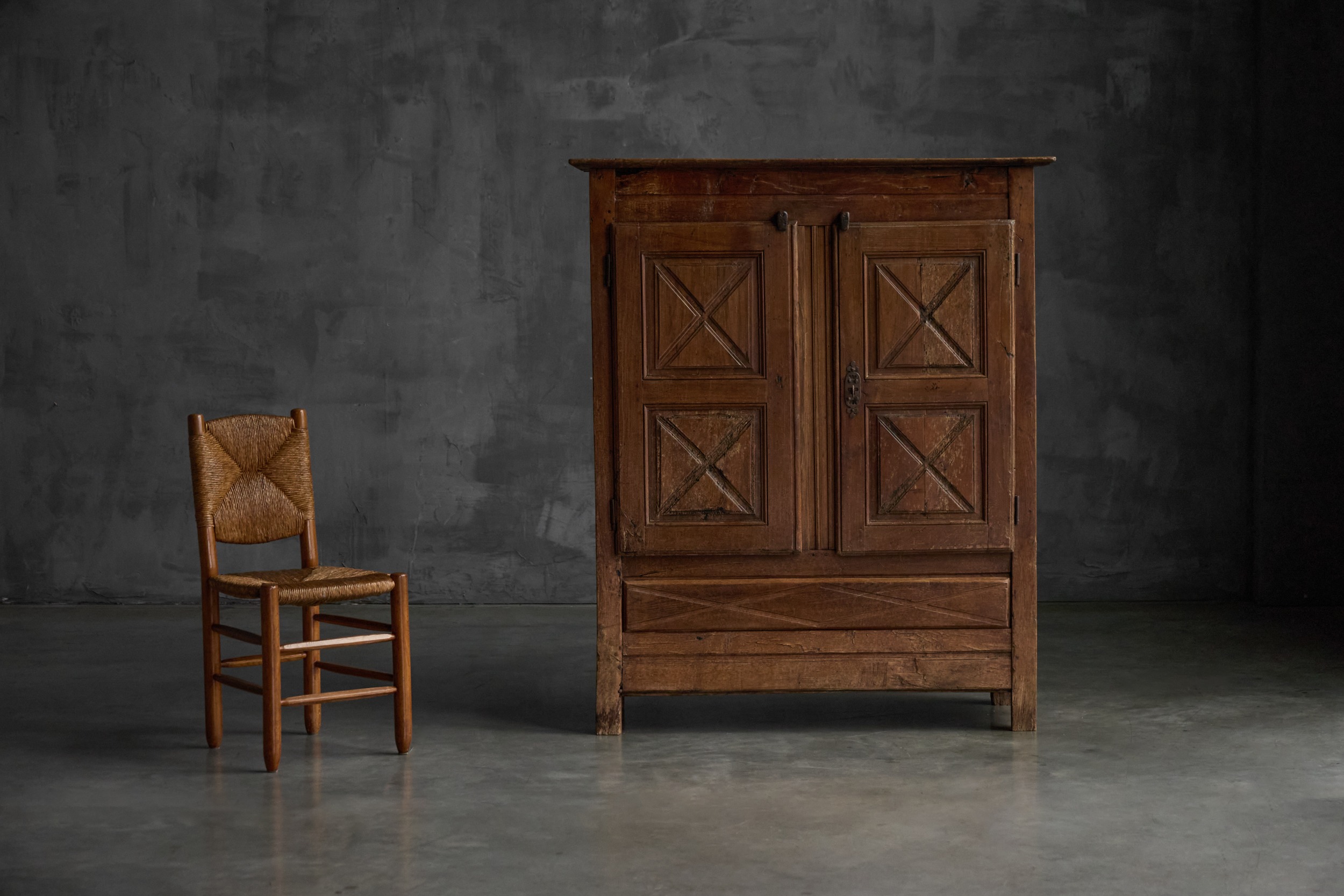
Interior design becomes most compelling when it connects history, culture, material, and everyday life. The dialogue between Folk art and Vernacular traditions offers a foundation for spaces that feel authentic rather than manufactured. These approaches celebrate regional knowledge, honest materials, and objects shaped by practical needs. Their influence can be seen in Alpine Design, where timber, proportion, texture, and craftsmanship create an atmosphere that feels warm, grounded, and enduring.
The character of Rural interiors often comes from simplicity. Weathered surfaces, natural wood, hand-finished details, and useful forms establish a visual language that feels familiar. Rustic Furniture strengthens this atmosphere by bringing substantial materials and visible craftsmanship into contemporary rooms. Instead of treating furniture as decoration alone, this philosophy views every object as part of the architectural experience.
Modern designers have repeatedly explored this relationship between simplicity and structure. Dom Hans van der Laan developed a disciplined approach to proportion and space, demonstrating how restraint can create profound visual harmony. Similarly, Wabi Sabi values imperfection, aging, irregularity, and material honesty. Together, these ideas encourage interiors that do not depend on excessive ornamentation but instead allow texture, patina, and proportion to communicate character.
European design history provides another important layer. The Amsterdamse School introduced expressive forms, rich craftsmanship, and sculptural architectural details, while Art Deco brought geometric elegance, luxurious materials, and strong decorative rhythm. Later, Mid-Century Design transformed interiors through clean lines, innovative construction, organic shapes, and an emphasis on practical living. These movements continue to influence collectors and designers seeking pieces with both historical significance and contemporary relevance.
International perspectives broaden this conversation further. Brazilian Design is particularly notable for its relationship with native materials, expressive silhouettes, and a relaxed connection between architecture and landscape. Designers such as Pierre Chapo explored the sculptural possibilities of solid wood, while Charlotte Perriand demonstrated how furniture could support modern lifestyles without sacrificing warmth or humanity. Their work reflects a principle increasingly valued today: Functional Art, where an object can perform a practical role while also becoming a visual focal point.
The same philosophy appears in the work of Jean Prouvé, whose engineering background shaped furniture with structural clarity and material efficiency. Afra & Tobia Scarpa combined technical experimentation with refined comfort, while Mario Bellini developed memorable forms that balanced expressive design and usability. The celebrated Camaleonda sofa remains an example of modular thinking, adaptable composition, and sculptural comfort, showing how iconic furniture can respond to changing ways of living.
Wood remains central to many of these design traditions. Nakashima approached timber with respect for its natural grain, edges, and individual character. Pierre Jeanneret similarly created furniture in which strong geometry and natural materials work together, producing pieces that feel architectural yet approachable. These references demonstrate why carefully selected furniture can shape not only a room’s appearance but also its emotional atmosphere.
Within this broader design conversation, boris devis represents a contemporary interest in combining collected design, craftsmanship, and distinctive interiors. Goldwood by Boris furniture can be understood through this lens, where material presence and design heritage support a sophisticated yet livable environment. The appeal is not simply about owning recognizable forms; it is about creating a dialogue among objects, architecture, light, and daily routines.
For collectors exploring Goldwood by Boris Antwerp, the value of this approach lies in its ability to connect European design history with a modern perspective. Goldwood by Boris interiors can draw from rustic traditions, modernist principles, sculptural furniture, and understated luxury without becoming tied to a single historical style. This creates rooms that feel curated rather than themed.
A thoughtful Boris Devis designer perspective also encourages balance. A powerful wooden table can coexist with a refined lounge chair; a vintage object can sit comfortably beside contemporary architecture; an imperfect surface can provide contrast against precise geometry. The result is an interior where every piece contributes to a coherent story.
The Goldwood by Boris collection reflects this broader appreciation for objects that carry material and cultural identity. In this context, Goldwood by Boris is less about following trends and more about recognizing lasting design values: proportion, craftsmanship, authenticity, comfort, and individuality. The name Goldwood by Boris can therefore be associated with an approach that treats furniture as part of a living environment rather than as isolated decoration.
From Folk art to modernist innovation, these traditions reveal a shared lesson: exceptional interiors emerge when design respects both function and character. Whether inspired by rural craftsmanship, European movements, Brazilian creativity, or iconic twentieth-century designers, a carefully considered space can feel timeless because it is rooted in meaningful materials and human use. These principles allow pieces to age gracefully, gaining meaning as surroundings and stories evolve over time. That is the enduring power of furniture and interiors shaped by history, craftsmanship, and thoughtful design.
Congrats! You’ve Finished This Blog.