
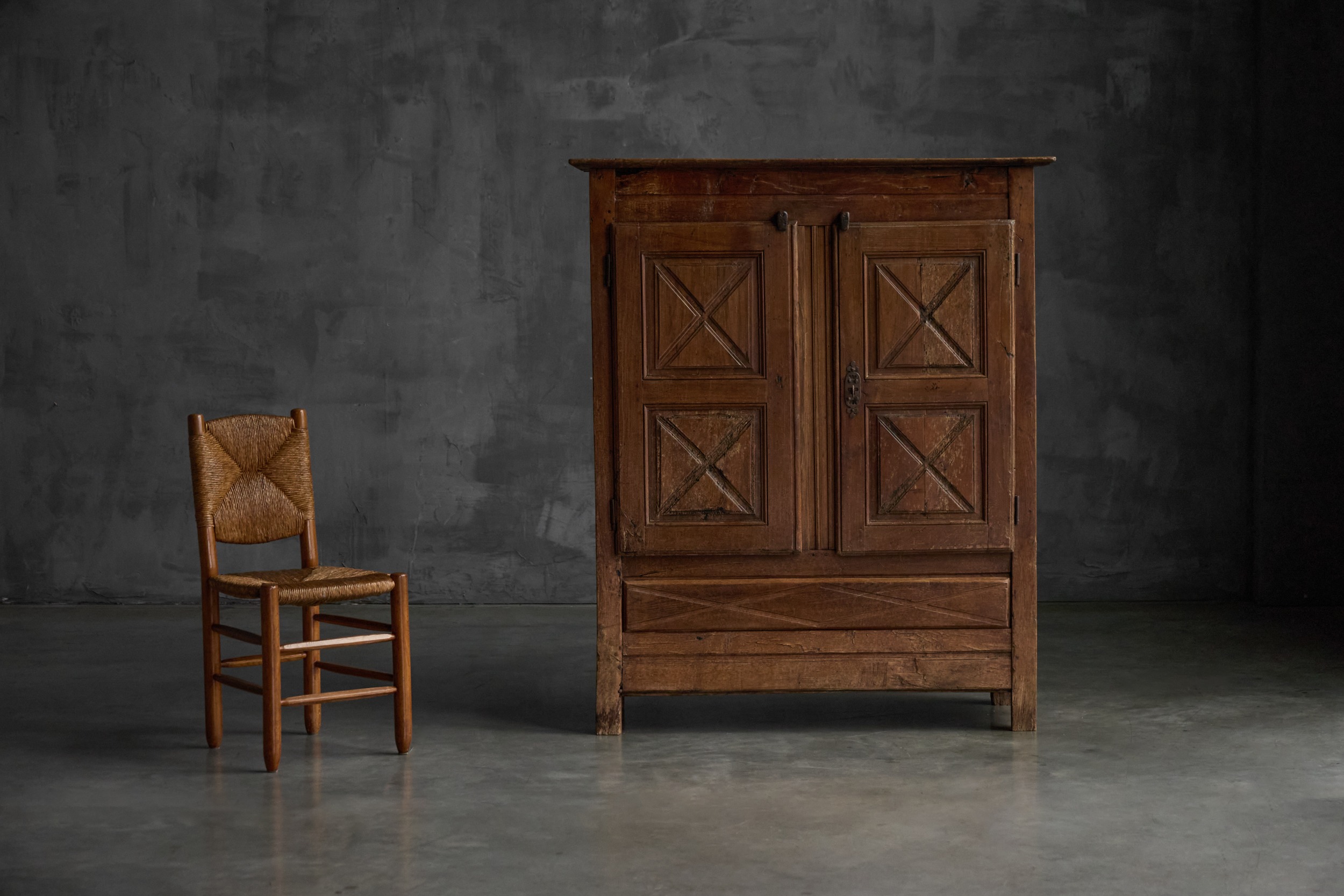
Interior design is more than arranging furniture or selecting decorative pieces—it is about creating environments that reflect personality, culture, and craftsmanship. While trends continue to evolve, timeless design philosophies remain at the heart of exceptional interiors. From handcrafted wooden furniture to world-renowned architectural movements, classic influences continue to shape modern living spaces. Designers and collectors increasingly appreciate furniture that combines artistic heritage with everyday functionality. This commitment to enduring quality is reflected by goldwoodbyboris, where carefully curated pieces celebrate the finest traditions of global design.
The journey toward timeless interiors often begins with traditional craftsmanship. Folk art represents the creativity and cultural identity of communities through handmade objects, decorative carvings, and artistic techniques passed from one generation to another. Every handcrafted piece tells a unique story while preserving valuable traditions. Similarly, Vernacular design emphasizes local materials, regional construction methods, and practical solutions developed in harmony with the surrounding environment. These principles continue to inspire architects and interior designers seeking authenticity and sustainability.
Natural surroundings have always influenced furniture and architectural styles. Alpine Design reflects the warmth and practicality of mountain homes through natural wood, stone, and comfortable living spaces. At the same time, Rural interiors celebrate simplicity by incorporating earthy textures, handcrafted details, and welcoming atmospheres. These characteristics perfectly complement Rustic Furniture, which remains highly valued for its durability, timeless beauty, and handcrafted construction. Unlike mass-produced furnishings, rustic pieces become even more attractive as they develop character over time.
The evolution of architectural thinking has profoundly influenced interior design. Dutch architect Dom Hans van der Laan developed theories based on harmonious proportions, demonstrating how carefully balanced spaces enhance comfort and functionality. In contrast, the Japanese philosophy of Wabi Sabi encourages people to embrace natural imperfections, weathered materials, and understated elegance. Together, these timeless ideas remind us that beautiful interiors are created through balance, authenticity, and thoughtful simplicity rather than unnecessary decoration.
Europe has contributed several iconic design movements that continue to influence modern interiors. The Amsterdamse School introduced expressive architecture characterized by sculptural forms, intricate brickwork, and artistic craftsmanship. Meanwhile, Art Deco became synonymous with luxury through its geometric patterns, polished materials, and refined decorative details. Contemporary designers often blend these historical influences with modern furniture to create sophisticated interiors that feel both elegant and distinctive.
Among the most influential furniture movements of the twentieth century is Mid-Century Design, celebrated for its clean lines, organic shapes, and practical functionality. Its timeless appeal continues to inspire homes, offices, and hospitality spaces worldwide. Likewise, Brazilian Design brought warmth and innovation by incorporating tropical hardwoods, sculptural silhouettes, and relaxed sophistication. Together, these design philosophies demonstrate how regional creativity can influence international furniture trends for decades.
The work of legendary furniture designers remains essential to contemporary interiors. Pierre Chapo gained worldwide recognition for handcrafted wooden furniture that emphasized structural honesty and exceptional craftsmanship. Charlotte Perriand transformed furniture design by combining industrial innovation with elegant simplicity, creating practical pieces that remain highly admired today. Their commitment to quality continues to influence modern furniture makers seeking to balance beauty with functionality.
Innovation reached new heights through Jean Prouvé, whose engineering expertise transformed furniture into architectural masterpieces. His designs proved that technical precision could enhance both aesthetics and structural integrity. Similarly, Afra & Tobia Scarpa introduced refined Italian craftsmanship that blended luxurious materials with practical innovation, creating furniture that remains timeless in both residential and commercial interiors.
One of the most celebrated names in contemporary furniture is Mario Bellini, whose visionary approach redefined comfort and flexibility. His iconic Camaleonda sofa became a symbol of modular living, allowing homeowners to adapt seating arrangements according to changing lifestyles. Decades after its introduction, the design continues to represent innovation, elegance, and exceptional comfort, making it one of the most sought-after furniture pieces in the world.
Organic design philosophies have also left a lasting impact on furniture craftsmanship. Nakashima believed that every piece of wood possessed its own natural beauty, allowing grain patterns, live edges, and imperfections to become defining features of his furniture. Likewise, Pierre Jeanneret created timeless wooden chairs and tables that balanced architectural precision with practical functionality. Their work continues to inspire designers who value authenticity and handcrafted excellence.
Today’s homeowners increasingly seek interiors that combine artistic value with everyday practicality. This growing appreciation has elevated the importance of Functional Art, where furniture serves not only as a useful object but also as a statement of craftsmanship and creativity. Carefully selected pieces contribute to a home’s identity while offering long-term durability and timeless visual appeal. Rather than following short-lived trends, collectors are choosing furniture designed to last for generations.
The appreciation for iconic furniture has also highlighted the contributions of visionary designers and curators. The creative philosophy of boris devis reflects a dedication to preserving authentic craftsmanship while embracing timeless design. Through expertly curated collections, Goldwood by Boris has established a reputation for offering exceptional furniture that combines historical significance with contemporary elegance. The remarkable Goldwood by Boris collection showcases pieces that appeal to collectors, architects, and interior designers seeking lasting quality and refined aesthetics.
As sustainability becomes increasingly important, investing in well-crafted furniture represents both an environmental and financial advantage. High-quality pieces require fewer replacements while preserving traditional woodworking techniques and artisanal expertise. The enduring popularity of Rustic Furniture, the authenticity of Vernacular traditions, and the timeless innovations introduced by designers such as Charlotte Perriand, Jean Prouvé, and Pierre Chapo demonstrate why quality craftsmanship remains an essential part of modern interior design.
Whether inspired by the balanced proportions of Dom Hans van der Laan, the natural elegance of Wabi Sabi, the expressive creativity of Amsterdamse School, or the enduring influence of Mid-Century Design, timeless interiors continue to shape the future of design. The excellence represented by Goldwood by Boris furniture, Goldwood by Boris Antwerp, Goldwood by Boris interiors, and the vision of Boris Devis designer reflects a commitment to preserving iconic craftsmanship while embracing contemporary living. By combining heritage, innovation, and exceptional materials, modern interiors achieve a lasting elegance that remains relevant, functional, and inspiring for generations to come.
Congrats! You’ve Finished This Blog.


