
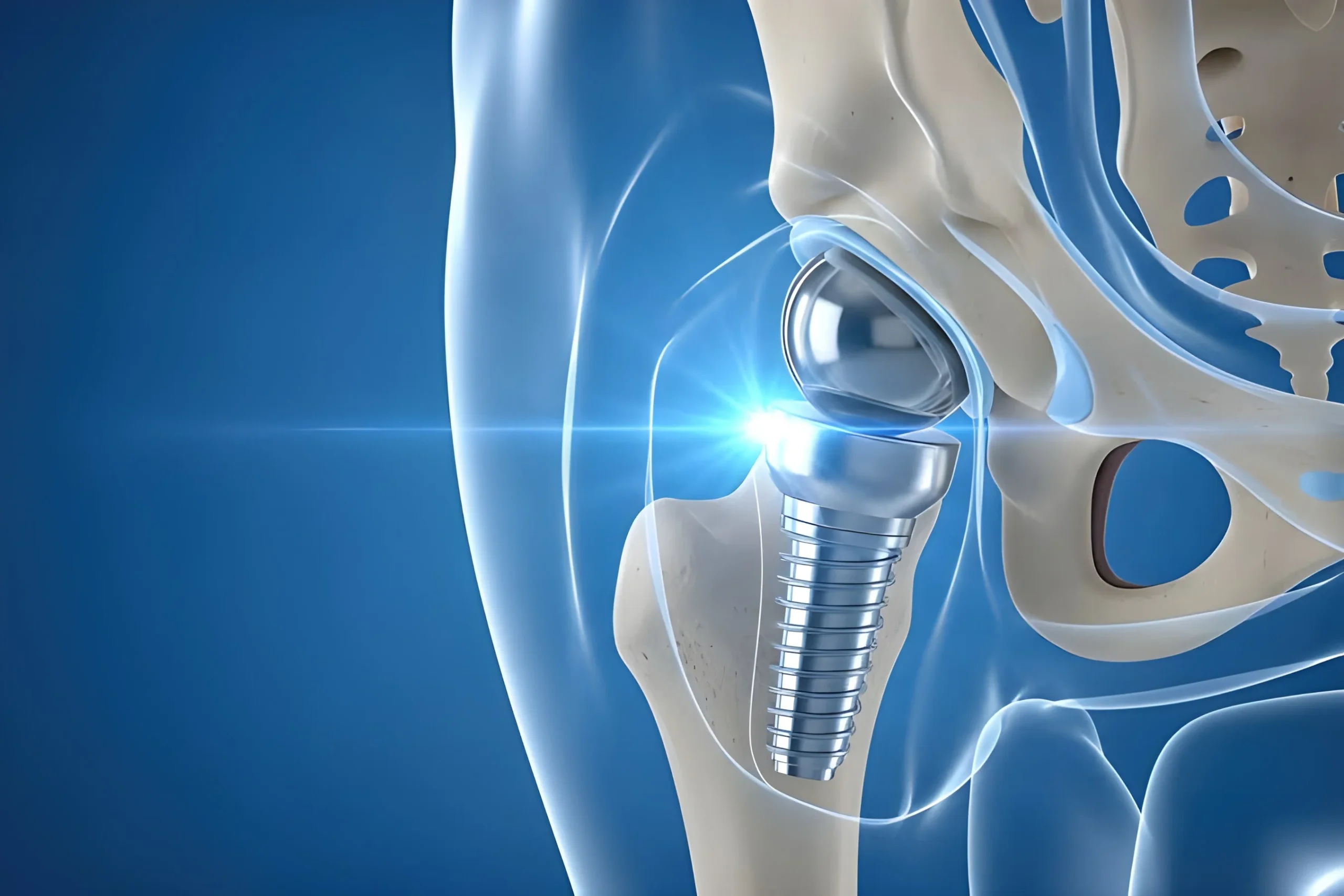
Joint pain can make everyday activities difficult. Walking, climbing stairs, standing, and even sleeping can become uncomfortable when a damaged joint no longer works properly. When medicines, physiotherapy, and other conservative treatments fail to provide lasting relief, joint replacement surgery can offer a practical solution.
Joint replacement treatment in Bilaspur can help patients regain mobility, reduce persistent pain, and return to many daily activities. However, successful recovery does not depend only on the surgical procedure. Proper preparation, expert medical care, rehabilitation, and patient commitment all play important roles.
A well-planned recovery programme helps the body heal while gradually restoring strength and movement. Choosing a hospital that provides coordinated care can make this process easier and more comfortable for patients.
How Does Expert Medical Care Support Faster Recovery?
After joint replacement surgery, the body needs time to heal. Patients often experience swelling, stiffness, discomfort, and limited movement during the early recovery period. Professional medical supervision helps manage these challenges safely.
Doctors monitor the patient’s progress and check the surgical site for possible complications. They also provide guidance about medication, wound care, movement, diet, and physical activity. This personalised approach allows the medical team to identify concerns early and adjust the recovery plan when necessary.
At Mundra Hospital, patients can receive structured medical guidance throughout different stages of recovery. A coordinated approach can help patients understand what they should do and what activities they should avoid during healing.
Why Is Physiotherapy Important After Joint Replacement Surgery?
Physiotherapy plays a major role in joint replacement recovery. Patients need to gradually rebuild muscle strength and improve flexibility after surgery. Without appropriate rehabilitation, stiffness and weakness may interfere with normal movement.
A physiotherapist can create exercises based on the patient’s condition and recovery stage. Early exercises may focus on simple movements that improve circulation and reduce stiffness. As the patient becomes stronger, the programme can include exercises that improve balance, muscle strength, joint movement, and walking ability.
Patients should follow their prescribed exercise programme consistently. They should also avoid doing strenuous exercises without professional approval. Following the correct rehabilitation plan can support steady progress without placing unnecessary stress on the healing joint.
How Can Pain Management Improve the Recovery Experience?
Pain management remains an important part of recovery after joint replacement. Uncontrolled pain can make patients reluctant to move, which may slow rehabilitation. Appropriate pain control can make it easier to participate in physiotherapy and perform recommended daily movements.
Doctors may recommend medicines and other measures based on the patient’s individual needs. Patients should follow the prescribed dosage and report unusual or persistent pain to their healthcare team.
Along with medication, patients may receive advice about positioning, rest, and gradual activity. These measures can help create a more comfortable recovery routine.
What Role Does Early Movement Play in Joint Replacement Recovery?
Many patients worry that movement immediately after surgery could damage the new joint. However, medical professionals often encourage carefully controlled movement at the appropriate stage.
Early mobilisation can support circulation and help patients gradually regain independence. A physiotherapist or medical professional can teach patients how to sit, stand, walk, and use support safely.
Patients should never rush this process. Every person recovers at a different pace. The medical team determines when a patient can increase activity based on healing, strength, pain levels, and overall health.
How Can Patients Prepare Their Homes for a Safer Recovery?
A safe home environment can make recovery much easier. Patients may need to modify their surroundings before returning home after surgery.
Removing loose rugs, keeping frequently used items within easy reach, and creating clear walking paths can reduce unnecessary risks. Patients may also need supportive equipment such as walking aids, depending on their doctor’s recommendations.
Family members can also help with household tasks during the initial recovery period. Having support available allows patients to focus on rest, rehabilitation, and gradual movement rather than putting unnecessary strain on the recovering joint.
Why Does Nutrition Matter After Joint Replacement Treatment?
The body requires adequate nutrition to support tissue repair and recovery. A balanced diet can provide essential nutrients that support healing, energy, and overall strength.
Patients should include a variety of nutritious foods in their meals. Protein-rich foods can support muscle maintenance and tissue repair, while fruits and vegetables provide important vitamins and minerals. Adequate fluid intake also supports general wellbeing.
Patients with specific dietary requirements should follow advice from their healthcare professional. A personalised nutrition plan can be particularly useful for people with other health considerations.
How Can Follow-Up Appointments Support Long-Term Recovery?
Recovery does not end when a patient leaves the hospital. Follow-up appointments allow doctors to assess healing and monitor progress.
During these appointments, healthcare professionals may evaluate joint movement, pain, swelling, walking ability, and overall function. They can also advise patients when they can safely return to specific activities.
Regular follow-ups give patients an opportunity to discuss concerns. If recovery does not progress as expected, the medical team can investigate the reason and recommend appropriate changes.
What Makes the Best Hospital in Mangla Chowk Bilaspur a Helpful Choice?
When patients search for the Best hospital in Mangla Chowk Bilaspur, they should consider more than the surgical procedure itself. Comprehensive care, experienced medical professionals, rehabilitation support, patient communication, and follow-up services can all influence the recovery experience.
A hospital that takes a complete approach can help patients understand each stage of treatment. From pre-surgery evaluation to postoperative monitoring and rehabilitation, coordinated care can provide greater confidence throughout the recovery journey.
Patients should discuss their medical history, expectations, treatment options, and recovery plan with their orthopaedic specialist before making a decision.
How Can Patients Help Themselves Recover Faster?
Patients have an important role in their own recovery. Following medical instructions consistently can help the healing process progress safely.
Patients should attend scheduled follow-ups, complete recommended physiotherapy exercises, take medicines as prescribed, maintain a nutritious diet, and get sufficient rest. They should also avoid lifting heavy objects or returning to demanding activities before receiving medical approval.
Communication also matters. Patients should promptly tell their healthcare team about unusual swelling, increasing pain, wound problems, fever, or other concerning symptoms.
A positive and patient mindset can also make rehabilitation easier. Joint replacement recovery takes time, and progress may happen gradually. Focusing on small improvements can help patients remain motivated.
Why Can Mundra Hospital Be Considered for Joint Replacement Care?
Choosing the right healthcare facility can make a meaningful difference in the overall treatment journey. Patients looking for Best hospital in Mangla Chowk Bilaspurcan consider factors such as medical expertise, rehabilitation support, postoperative care, facilities, and personalised attention.
Mundra Hospital focuses on providing patients with organised medical care and guidance throughout their treatment journey. With appropriate evaluation, surgical care, rehabilitation, and follow-up, patients can work toward improving mobility and returning to their everyday routines.
Joint replacement can offer significant relief for people affected by severe joint damage. However, recovery requires cooperation between the patient and healthcare team. By following professional advice, participating in rehabilitation, maintaining healthy habits, and attending follow-up appointments, patients can support a smoother recovery and work toward better mobility and independence.
Congrats! You’ve Finished This Blog.


