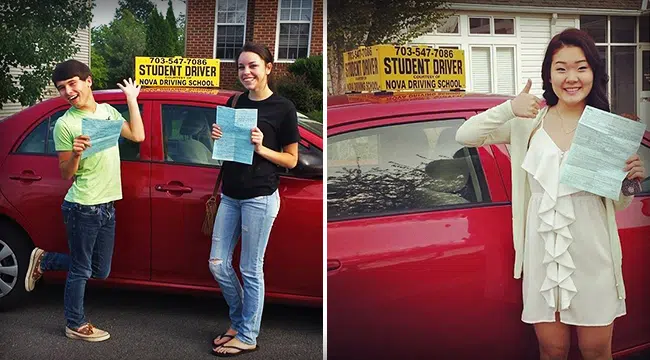
Learning to drive builds independence and confidence. Good instruction teaches traffic laws, safe habits, and sound decisions. Across Northern Virginia, learners can compare nearby schools for qualified instructors, clear lessons, and practical road experience.
A driving school chantilly should teach vehicle controls before busier roads, covering steering, braking, mirrors, lane position, turns, and parking. A driving school dale city should balance basic skills with realistic traffic practice. When comparing a driving school dumfries, consider how lessons build awareness on local streets.
A driving school fairfax may suit students seeking structured preparation and flexible scheduling. Compare instructor experience, curriculum, vehicles, and communication at a driving school fairfax county. A driving school fairfax station should teach observation, signaling, and speed control. A driving school falls church can gradually introduce complex intersections.
Programs should match each learner’s starting point. A driving school fredericksburg may offer patient coaching, while a driving school gainesville is worth considering for nearby practice. At a driving school great falls, ask about residential roads, hills, and speed limits. A driving school haymarket should emphasize hazard awareness and safe decisions.
A driving school herndon offers a starting point for comparing schedules. Ask a driving school leesburg about parking, lane changes, defensive driving, and road-test preparation. A driving school lorton may reduce travel time. For a driving school lovettsville, check pricing, policies, instructor qualifications, and safety.
A driving school manassas should build confidence at a suitable pace. Ask a driving school manassas park how instructors track progress and give feedback. A driving school mclean should prepare learners for quiet streets and busier routes. A driving school merrifield should encourage practice and responsibility.
At a driving school montclair, ask about beginner, refresher, and confidence-building lessons. A driving school nokesville should teach vehicle handling and traffic awareness. For a driving school oak hill, seek constructive feedback. Assess a driving school oakton for lesson structure, safety, and availability.
Preparation matters between lessons: review feedback, bring required documents, and arrive focused. At a driving school purcellville, ask how lesson goals are set. For a driving school quantico, ask about training on varied roads. A driving school reston should build skills progressively and reinforce calm driving.
At a driving school round hill, confirm total cost and lesson duration. Compare a driving school south riding by availability, vehicles, and progress updates. Ask a driving school springfield about merging, intersections, parking, and defensive driving. A driving school stafford should explain how weather and visibility affect decisions.
A driving school sterling may be convenient by location and schedule. Review a driving school triangle for qualified instructors and student support. Ask a driving school tysons about dense traffic, pedestrians, cyclists, and complex junctions. A driving school vienna should teach judgment, not test-route memorization. A driving school woodbridge should provide patient, practical coaching.
Good instruction is about more than learning to move a vehicle. Instructors should explain why a particular action is safer, then give learners time to repeat it until it becomes consistent. This approach can make lessons useful for teenagers, adults learning later in life, and licensed drivers returning after a long break.
When comparing local schools, consider the teaching style as carefully as the location. Some learners prefer a calm pace and frequent demonstrations; others benefit from more independent practice with coaching afterward. A professional instructor should listen to questions, set realistic goals, and adjust the lesson when a skill needs more attention. No learner should feel pressured to progress before they are ready.
Practical experience should include a range of conditions whenever appropriate and safe. Learners can build confidence by practicing turns, intersections, parking, lane changes, and sharing the road with pedestrians and cyclists. They should also understand the importance of seat belts, speed limits, distraction-free driving, and never driving while impaired or fatigued. These habits protect the driver, passengers, and everyone else using the road.
A useful first conversation with a school can clarify expectations. Ask how long lessons last, what documents are needed, whether pickup locations are available, and how instructors communicate progress. Find out whether the vehicle has suitable safety equipment and whether lesson plans can be adapted to a learner’s experience. Clear answers make it easier to compare options fairly and choose instruction with confidence.
Compare more than convenience. Confirm instructor licensing, knowledge of local testing, and cancellation policies. Ask what fees include, whether progress reports are available, and how extra practice is arranged. Reviews help, but direct questions reveal whether a school fits your needs.
With regular practice, learners can build skills for responsible driving beyond the road test. novadriving encourages safety, preparation, and steady improvement. Compare local instruction, share your goals, and choose a program focused on sound habits. The right guidance makes every lesson a step toward confidence and independence. novadriving
Congrats! You’ve Finished This Blog.