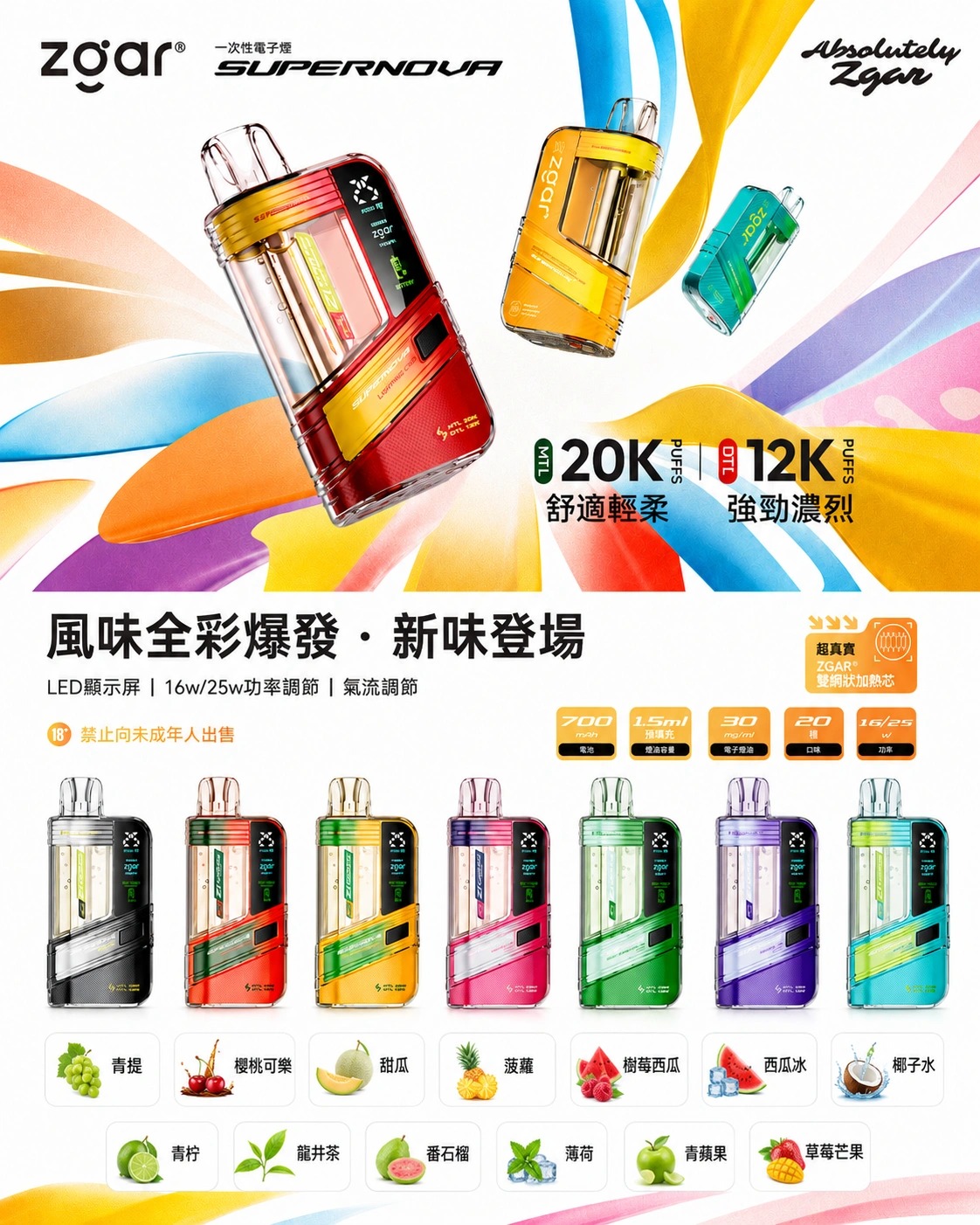
Vaping products are an increasingly discussed subject in Canada, where consumers and retailers need to understand product information, legal requirements, and health considerations. With different device types and product descriptions appearing across online platforms, reliable information is essential. Learning about vaping terminology, packaging standards, and applicable regulations can help adults distinguish factual details from unverified claims.
For anyone researching a Disposable Vape or learning about Canada’s vaping market, understanding the broader context is an important starting point. Responsible information should prioritize legal compliance, transparent labeling, and public health awareness.
Exploring Different Types of Vaping Devices
Vaping devices come in several forms, including rechargeable systems, refillable devices, and disposable electronic products. Their specifications may differ in battery design, liquid capacity, heating mechanisms, and operating instructions. Understanding these distinctions helps readers interpret product descriptions more accurately.
The term 4000 Puff Disposable Vape generally refers to a device advertised with an estimated number of inhalations. This figure should not be interpreted as a guaranteed lifespan because actual use depends on individual habits and device characteristics. Puff-count estimates also do not indicate product quality, safety, or regulatory compliance.
Consumers researching named products such as Al Fakher Crown Bar and Breeze Elite S50 4000 Puffs Disposable Vape should consult available manufacturer documentation and product labeling. Relevant information may include nicotine concentration, ingredient declarations, warnings, and instructions for handling electronic components.
Product names and advertised specifications should always be evaluated alongside applicable Canadian requirements rather than treated as proof that a device is compliant.
Canadian Laws and Online Retail Responsibilities
Vaping products are subject to federal legislation and additional provincial or territorial requirements. Depending on the jurisdiction, rules may cover minimum purchasing ages, product labeling, advertising, retail practices, and restrictions on public vaping.
An Online Vape Shop in Canada must understand the requirements that apply to its operations and intended customers. Online retailers should pay particular attention to age verification, shipping restrictions, product eligibility, and advertising standards. Requirements may change, so checking current official guidance is important.
Businesses serving customers in multiple provinces should also recognize that regulations are not necessarily identical nationwide. A product or retail practice permitted in one jurisdiction may be restricted in another. Careful compliance checks help businesses avoid misleading listings and potential regulatory problems.
Consumers can also benefit from reviewing official government resources before relying on information published by online sellers or third-party websites.
Product Information, Labeling, and Transparency
Accurate labeling helps consumers understand what a vaping product contains and how it should be handled. Depending on the applicable rules, packaging may include nicotine information, ingredient details, health warnings, manufacturer identification, and instructions for safe use.
Search phrases such as Disposable Vapes Canada and Cheap Disposable Vapes Canada often appear in online product research. However, a low price or attractive description does not establish that a product meets Canadian requirements. Consumers should examine the reliability of the seller, the clarity of the labeling, and the availability of relevant product information.
Unclear ingredient details, inconsistent specifications, and unsupported claims deserve additional attention. Online availability alone is not proof that a product is legally authorized for sale in a particular province or territory.
Transparent product information is especially important when specifications involve nicotine content, battery performance, or estimated puff counts.
Health Awareness and Responsible Use
Vaping can involve health risks, particularly when products contain nicotine. Nicotine is addictive, and vaping aerosol may expose users to substances that can adversely affect health. People who do not smoke should avoid starting to vape, and vaping products should not be used by young people.
Adults who smoke and are considering ways to stop should consult a qualified healthcare professional for evidence-based guidance. Decisions about smoking cessation should be informed by reliable health information rather than unsupported promotional statements.
Electronic device safety is another important consideration. Damaged batteries, inappropriate charging equipment, and improper handling can create hazards. Users should follow manufacturer instructions, avoid using visibly damaged devices, and keep vaping products away from children and pets.
Disposable devices also create waste because they contain electronic components and batteries. Appropriate disposal through suitable local collection or recycling programs can help reduce environmental harm. They should not automatically be placed in ordinary household waste or recycling bins.
Evaluating Claims About Vaping Products
People searching for the Best Disposable Vape Canada or Best Disposable Vape in Canada may encounter rankings based on different criteria. Such rankings can reflect subjective preferences, advertised specifications, or commercial considerations rather than independently verified safety information.
A product’s popularity does not prove that it is safe, suitable for every adult, or compliant with all applicable regulations. Consumers should distinguish measurable specifications from opinions and check claims against reliable documentation.
Similarly, product descriptions should not imply that vaping is harmless or that a particular device offers health benefits without credible evidence. Clear, balanced information helps readers make better-informed decisions.
Businesses such as cloudcraftcanadastore can provide useful educational resources by explaining product terminology, regulatory considerations, and the importance of transparent information. Such resources should be accurate, age-appropriate, and consistent with Canadian advertising requirements.
Conclusion
Understanding Canada’s vaping landscape involves more than comparing product names or estimated puff counts. Consumers should consider legal requirements, product labeling, health risks, and responsible electronic waste disposal when researching vaping products.
For people exploring Disposable Vapes Canada, official government guidance and credible health information provide a stronger foundation than unsupported online claims. Retailers should likewise prioritize transparency and compliance with relevant federal and provincial rules. cloudcraftcanadastore can support informed awareness by presenting clear information about vaping terminology, consumer responsibilities, and the importance of understanding Canada’s regulatory framework.
Congrats! You’ve Finished This Blog.