
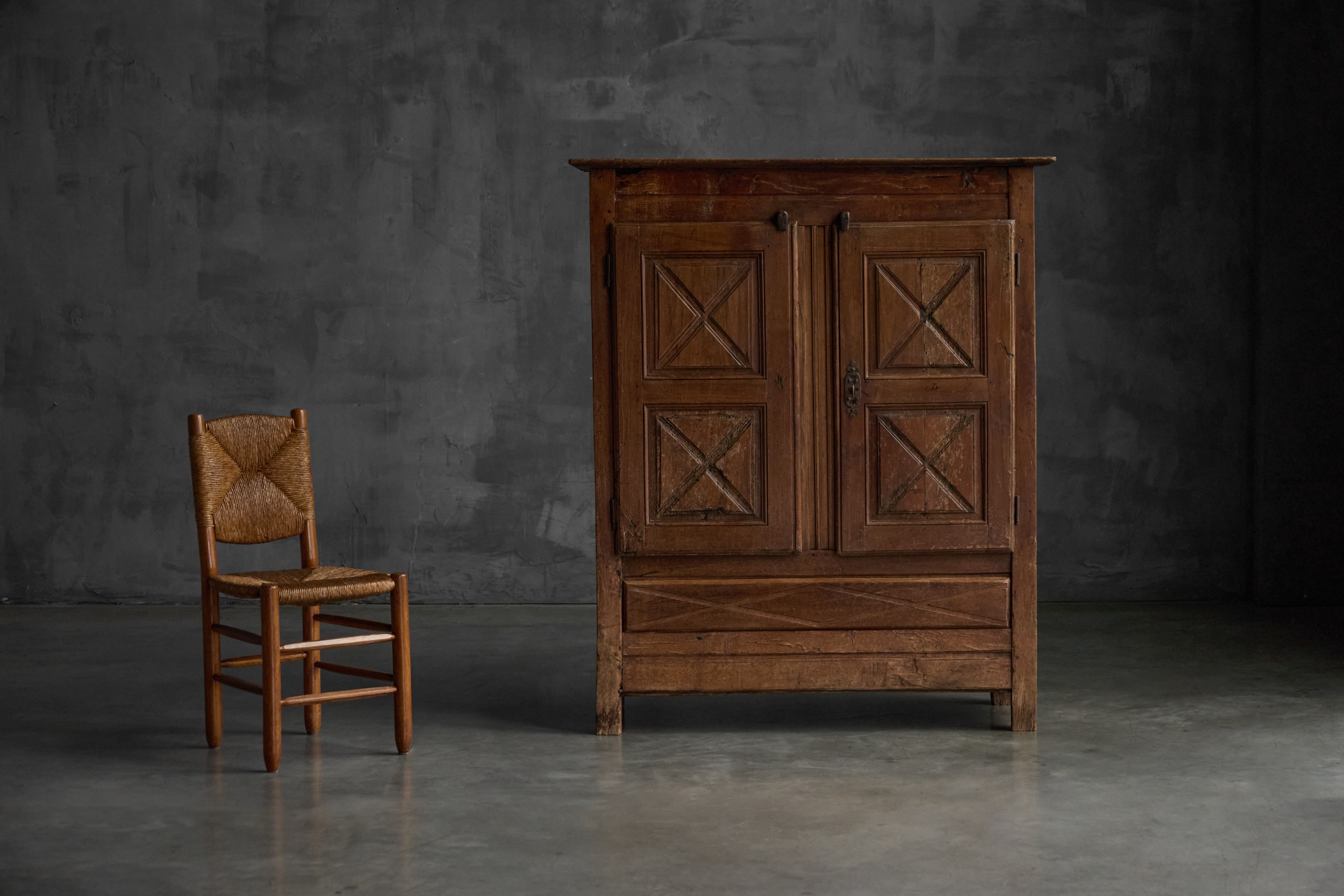
Vintage furniture has a distinctive ability to connect contemporary interiors with the design ideas of the past. A carefully selected chair, cabinet, table, mirror, or decorative object can introduce craftsmanship, material character, and historical context into a home without compromising a modern aesthetic.
The appeal of 20th-century furniture lies partly in its variety. Across Europe and beyond, designers experimented with proportion, materials, construction, and functionality, creating objects that continue to attract collectors decades after their original production. For enthusiasts exploring this world, specialists such as Goldwood by Boris in Antwerp provide an interesting point of reference for discovering collectible furniture and decorative design.
Looking Beyond Age
An object’s age alone does not determine its significance. Vintage furniture becomes particularly interesting when its age is combined with thoughtful design, quality construction, distinctive materials, or an important place within design history.
The 20th century produced an enormous range of styles. Streamlined modernist furniture emphasized simplicity and function, while other designers embraced sculptural forms, rich materials, bold colors, or decorative detailing. Understanding these differences can help collectors develop a more informed eye.
Instead of asking only whether an item is old, it can be more useful to consider what makes it distinctive. Its designer, manufacturer, construction, condition, proportions, and relationship to a particular period can all contribute to its character.
Materials Tell a Story
One of the pleasures of examining vintage furniture is discovering how materials influence design. Different woods, metals, glass, textiles, and synthetic materials were used in innovative ways throughout the 20th century.
Wooden furniture, for example, can reveal its period through veneer patterns, grain selection, joinery, and finishing techniques. Metal furniture may demonstrate the influence of industrial production, while molded materials reflect technological developments that changed the possibilities of furniture manufacturing.
Close observation can therefore transform an apparently simple object into a lesson in design and craftsmanship. Surface details, hardware, construction methods, and signs of age can all provide clues about how a piece was made and used.
The Value of Design Context
Research adds another dimension to collecting. A piece becomes more engaging when its design can be understood within the cultural and artistic environment in which it was created.
The post-war decades, for instance, saw significant changes in domestic life, manufacturing, and consumer culture. Designers responded by developing furniture that was practical, visually distinctive, and suited to new approaches to living. Other movements challenged traditional ideas about what furniture and interiors could be.
For collectors, studying these developments can be rewarding even when the goal is simply to furnish a home. Historical context helps explain why certain shapes, materials, and production techniques appear repeatedly within a particular period.
Learning From Specialists
The vintage design market can be complex, particularly for people who are beginning to collect. Terminology surrounding attribution, production dates, condition, restoration, and provenance can take time to understand.
Specialist dealers can contribute useful knowledge by providing information about the objects they source and helping buyers understand their characteristics. Goldwood by Boris, based in Antwerp, is part of a European design environment where vintage furniture, collectible objects, and decorative arts can be explored through an appreciation of design history.
For anyone researching boris devis, looking beyond a name or search term can be a useful way to develop a broader understanding of the people and ideas connected with collectible design. The most rewarding research often involves examining designers, makers, manufacturers, and the historical circumstances surrounding their work.
Building an Individual Collection
There is no single formula for creating a meaningful furniture collection. Some collectors focus on a particular designer or decade, while others are drawn to a combination of objects united by materials, shapes, colors, or craftsmanship.
An individual approach can make a collection feel more personal. A room does not need to contain furniture from the same period to feel coherent. A mid-century cabinet can sit comfortably beside contemporary artwork, while an unusual vintage lamp can add contrast to a restrained architectural interior.
This flexibility is one of the strengths of collectible design. Rather than following a rigid decorative formula, collectors can choose objects that respond to their own preferences and surroundings.
Considering Condition and Restoration
Condition is an important part of evaluating vintage furniture. Signs of age can be desirable when they contribute to an object’s authentic character, but structural problems or inappropriate alterations may require closer attention.
Collectors should consider whether a piece has been restored, which components may have been replaced, and whether its current condition is consistent with its age and intended use. These considerations are particularly relevant for furniture that will become part of everyday life.
A thoughtful approach to restoration can preserve an object’s functionality while respecting its original character. In many cases, the objective is not to make an old piece appear completely new, but to maintain the qualities that make it historically and aesthetically interesting.
Bringing History Into Contemporary Interiors
Perhaps the greatest appeal of vintage furniture is its ability to make an interior feel individual. Contemporary spaces can sometimes benefit from objects with visible history and material warmth.
A vintage armchair can soften a minimalist room. A sculptural side table can introduce an unexpected focal point. Decorative objects can create smaller moments of interest, while a carefully chosen cabinet can combine practical storage with visual presence.
These pieces do not need to dominate a room. Sometimes the most effective approach is to allow one or two distinctive objects to provide contrast against simpler contemporary surroundings.
A Continuing Conversation With Design
Collecting 20th-century furniture is ultimately a way of engaging with design history. Each object can reveal something about its period, its maker, its materials, or the changing ways people interacted with their homes.
For established collectors and newcomers alike, curiosity remains one of the most valuable tools. Examining construction, researching provenance, learning about designers, and understanding materials can make the process of collecting more rewarding.
In Antwerp and beyond, the world of vintage furniture continues to bring together craftsmanship, history, architecture, and contemporary living. Through a considered approach to sourcing and collecting, pieces from the 20th century can continue to have a meaningful place in interiors today.
Visit us:-LinkedIn
Congrats! You’ve Finished This Blog.


