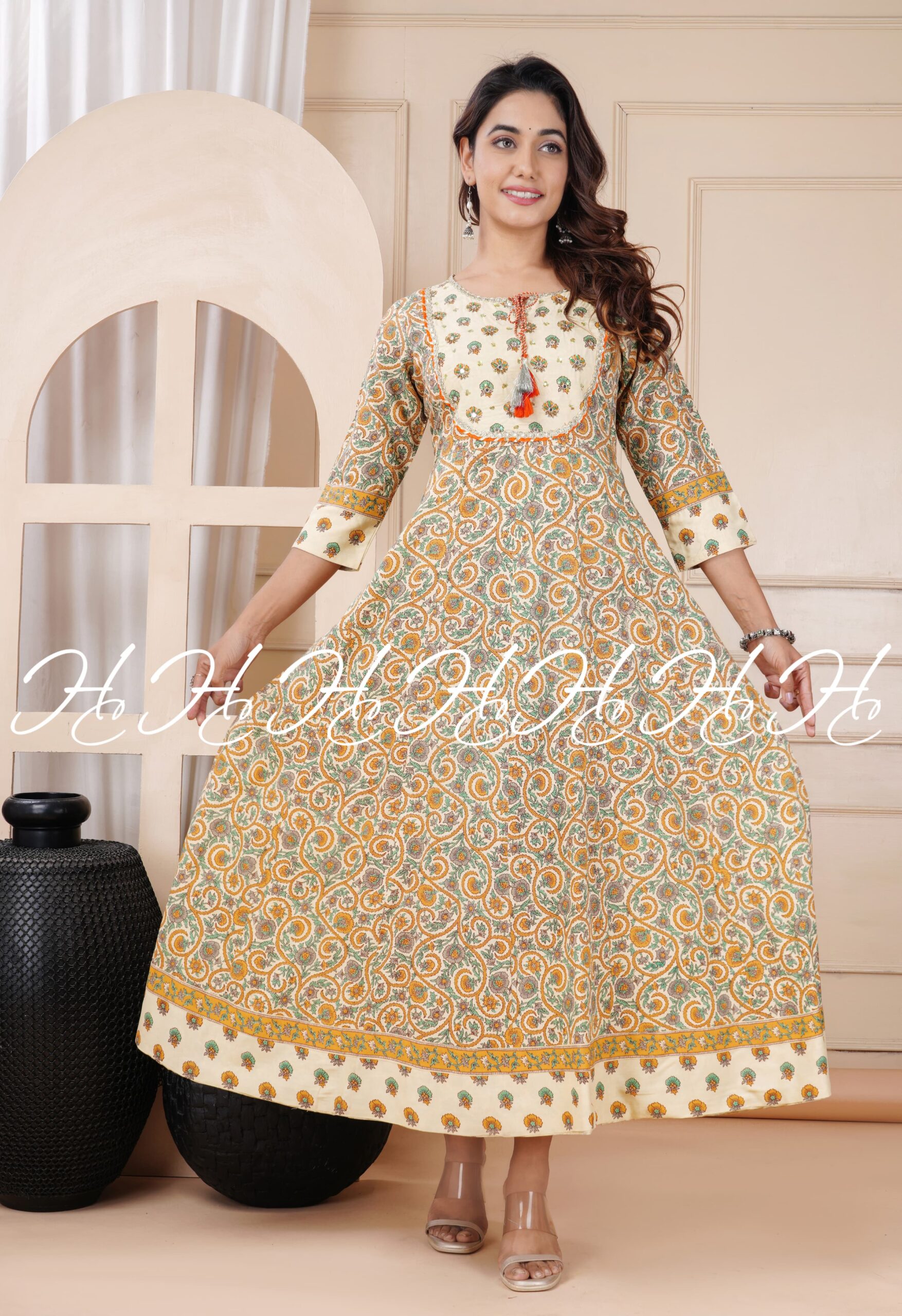
Kurti manufacturers play a crucial role in shaping India’s ethnic and contemporary fashion market. From everyday wear to festive collections, they meet the growing demand for stylish yet comfortable clothing. One common question boutique owners, retailers, and online sellers often ask is whether a kurtis manufacturer supplies both designer and ethnic kurtis. The short answer is yes—but the full picture reveals much more value, variety, and opportunity.
Understanding the Scope of Kurti Manufacturing
Today’s kurti manufacturers do far more than mass-produce basic styles. They actively follow fashion trends, collaborate with designers, and adapt traditional craftsmanship to modern preferences. Most established manufacturers offer wide-ranging collections that include casual kurtis, office wear, festive ethnic kurtis, and premium designer pieces. This diversity allows buyers to source everything from one reliable partner instead of juggling multiple suppliers.
Manufacturers design their collections to cater to different markets. Small boutiques often look for limited-edition designer kurtis, while wholesalers and retailers focus on ethnic styles that appeal to a broad customer base. A professional kurtis manufacturer understands these needs and structures production accordingly.
Designer Kurtis: Style Meets Scalability
Designer kurtis attract customers who want unique patterns, premium fabrics, and detailed finishes. Manufacturers supply these kurtis by blending creativity with efficient production systems. They employ in-house designers or collaborate with freelance fashion experts to develop exclusive cuts, silhouettes, and prints.
A reliable kurtis manufacturer sources quality fabrics such as rayon, cotton silk, chanderi, muslin, and linen to create designer collections. They enhance these kurtis with embroidery, digital prints, hand block prints, lace work, and mirror detailing. Even though the designs feel exclusive, manufacturers still produce them in scalable quantities, making them suitable for boutiques, exhibitions, and online brands.
Many manufacturers also offer customization. Buyers can request changes in color, fabric, neckline, sleeve length, or embroidery style. This flexibility allows retailers to build a distinct brand identity without setting up their own production unit.
Ethnic Kurtis: Rooted in Tradition
Ethnic kurtis remain the backbone of the Indian apparel market. Manufacturers focus heavily on this segment because it appeals to customers across age groups and regions. Ethnic kurtis draw inspiration from regional art forms, traditional prints, and classic silhouettes that never go out of style.
A jaipur kurti manufacturer wholesale supplier, for example, often specializes in ethnic kurtis featuring block prints, leheriya, bandhani, sanganeri prints, and gota patti work. Jaipur’s rich textile heritage makes it a preferred sourcing hub for buyers seeking authentic Rajasthani aesthetics at wholesale prices.
Manufacturers produce ethnic kurtis in large volumes while maintaining consistency in color, sizing, and fabric quality. This reliability helps wholesalers and retailers restock quickly during festive seasons, weddings, and peak shopping periods.
Why Manufacturers Offer Both Designer and Ethnic Kurtis
Kurti manufacturers understand that the market does not operate on a single trend. Customer preferences shift based on seasons, occasions, and fashion influences. By supplying both designer and ethnic kurtis, manufacturers help buyers diversify their inventory and reduce business risk.
Retailers benefit because they can attract multiple customer segments. Some shoppers look for elegant ethnic kurtis for festivals and family events, while others prefer modern designer kurtis for office wear or casual outings. A versatile kurtis manufacturer supports this balanced approach.
Manufacturers also gain an advantage by optimizing production resources. They use the same infrastructure—fabric sourcing, stitching units, quality checks—to create different styles, which improves efficiency and keeps costs competitive.
Wholesale Benefits for Buyers
Working with a jaipur kurti manufacturer wholesale supplier offers clear advantages. Buyers receive better pricing due to bulk production, which increases profit margins. Manufacturers also provide size sets, color options, and ready stock, reducing lead times for delivery.
Wholesale manufacturers often stay updated with upcoming trends. They release new collections frequently, allowing buyers to refresh their inventory without extensive design efforts. Many also support private labeling, enabling boutiques and online sellers to sell kurtis under their own brand name.
Quality Control and Consistency
Professional kurti manufacturers maintain strict quality standards. They inspect fabric strength, color fastness, stitching quality, and finishing before dispatch. This consistency matters, especially for buyers who sell online or operate multiple retail outlets.
Both designer and ethnic kurtis undergo similar quality checks. The difference lies in design complexity, not in manufacturing discipline. A trusted kurtis manufacturer ensures that even heavily embroidered designer kurtis remain durable and comfortable for daily wear.
Choosing the Right Kurti Manufacturer
When selecting a manufacturer, buyers should evaluate design range, fabric quality, minimum order quantity, customization options, and delivery timelines. Manufacturers who supply both designer and ethnic kurtis demonstrate adaptability and market understanding.
Jaipur-based manufacturers, in particular, offer a strong mix of tradition and trend. Their expertise in ethnic prints combined with modern design sensibilities makes them ideal partners for long-term business growth.
Final Thoughts
So, do kurti manufacturers supply designer and ethnic kurtis? Absolutely. A professional kurtis manufacturer builds collections that reflect both modern fashion and cultural heritage. By partnering with a reliable jaipur kurti manufacturer wholesale supplier, buyers gain access to diverse designs, competitive pricing, and consistent quality. This combination helps businesses stay relevant, profitable, and ready to meet evolving customer demands in the ever-growing kurti market.
Congrats! You’ve Finished This Blog.