Losing a loved one — whether a dear person or a beloved pet — is one of the most difficult experiences in life. Many people seek meaningful and enduring ways to remember them. One increasingly popular option is to transform cremation ashes into a diamond: a tangible, precious keepsake that carries both memory and symbolism. In this article, we explore the world of ashes to diamonds, including how the process works, what memorial jewellery means, top companies offering this service, its appeal and controversies, and whether the idea of diamonds from ashes truly meets expectations.
What is Ashes Jewellery, Cremation Jewellery, and Memorial Diamonds
Memorial jewellery refers to jewellery created using some part of a deceased loved one’s remains. This could be ashes, hair, or even fur in the case of pets. Cremation jewellery for ashes is a subset where ashes or hair are used as the raw material to create a gemstone, typically a diamond, or incorporated directly into a keepsake such as a pendant or ring.
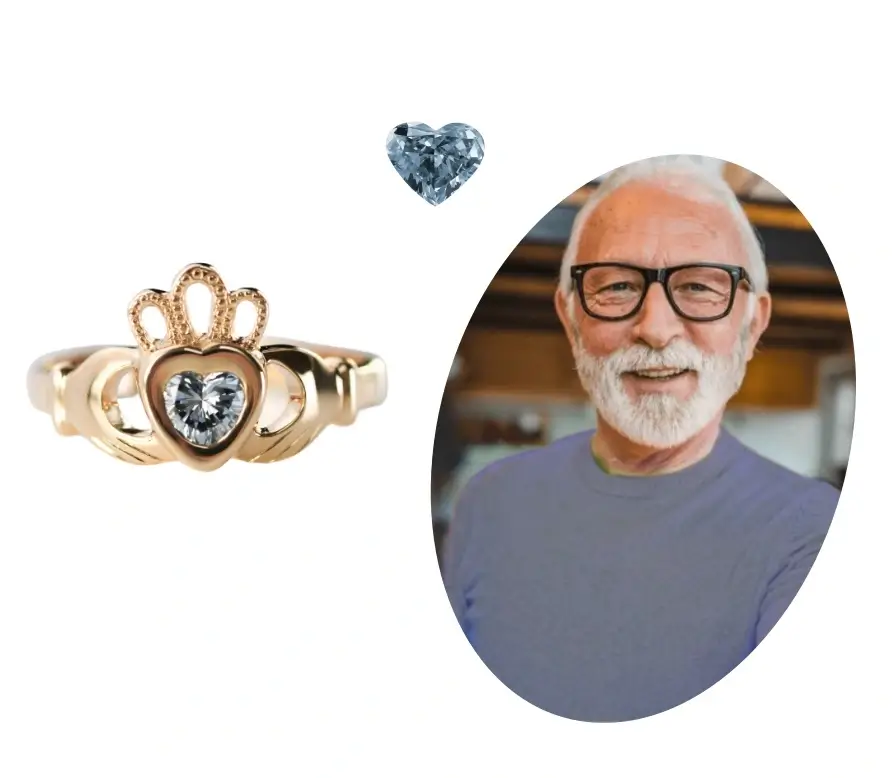
Memorial diamonds, also called cremation diamonds or ashes into diamond, are lab-grown diamonds created using carbon extracted from ashes or hair. These diamonds can be incorporated into rings, necklaces, earrings, and other forms of jewellery, offering a lasting, personal tribute to a loved one.
How the Process Works: From Ashes to Diamonds
Turning ashes into diamonds is a multi-step process. Here is a breakdown of the typical workflow used by ashes to diamonds companies:
1. Collection of Ashes or Hair
You provide a portion of cremated ashes or hair. Typically, this is half a cup of ashes or a small sample of hair. Some companies accept a mix of ashes and hair to increase the amount of carbon available for diamond creation.
2. Carbon Extraction and Purification
Cremation ashes contain a small percentage of carbon, usually around 1–5 percent. In the lab, carbon is isolated and purified. Other elements are removed, leaving behind nearly pure carbon or graphite as a base for diamond creation.
3. Graphitization and Diamond Growth
The purified carbon is converted into graphite and placed in a high-pressure, high-temperature press, replicating the natural conditions under which diamonds form deep in the earth. Under extreme pressure and heat, the carbon crystallizes and forms a genuine diamond.
4. Cutting, Polishing, Grading, and Certification
Once the rough diamond is formed, expert cutters shape and polish it according to the desired cut, such as round, heart, or princess. The diamond can be graded and certified, and many companies provide a certificate confirming that the diamond is lab-grown from cremation ashes.
5. Setting into Jewellery
The diamond can be received loose or set into jewellery such as rings, pendants, earrings, or bracelets. Personalization options often include laser inscriptions, choice of diamond color, and custom designs to create a truly unique memorial piece.
Why People Choose Cremation Diamonds
Cremation diamonds offer emotional and symbolic significance. They are tangible, durable, and portable, allowing loved ones to keep a physical reminder close at all times. For pet owners, creating pet ashes jewellery diamond allows them to cherish the memory of their pets in a lasting and meaningful way.
These diamonds provide an alternative to traditional memorials like urns and gravestones. They are especially useful for people who live far from burial sites or prefer a personal, wearable memorial. The uniqueness of each diamond adds to the sentiment, making it a one-of-a-kind keepsake.
Well-Known Companies Offering Ashes to Diamonds Services
Some of the leading providers in the memorial diamond industry include:
- Saint Diamonds: Offers high-quality cremation diamonds and a range of jewellery settings, including rings, pendants, and custom designs. They also provide worldwide service.
- LONITÉ: A Swiss company that produces certified cremation diamonds using HPHT technology, offering colored diamonds and natural color options.
- Heart In Diamond: Creates diamonds from ashes or hair of humans and pets, with a variety of jewellery options and worldwide shipping.
- Algordanza: One of the early pioneers in memorial diamonds, converting ashes into diamonds using HPHT in Swiss laboratories.
- Eterneva: Focuses on creating diamonds from cremation ashes or hair, for both people and pets, while providing a supportive experience for grieving families.
These companies typically handle the entire process, from carbon purification to diamond certification and jewellery setting, making it a convenient option for customers worldwide.
Controversies and Criticisms
Despite its appeal, the ashes to diamonds industry faces skepticism. Key criticisms include:
- Cremation reduces most carbon content, so only a small fraction of the ashes can be used for diamond creation.
- Many companies mix ash-derived carbon with additional lab carbon or seed crystals to ensure diamond quality.
- There is currently no reliable scientific method to verify the exact amount of carbon in the diamond that came from the ashes.
- Some people feel that turning ashes into luxury jewellery commodifies grief or feels uncomfortable.
Experts note that the emotional and symbolic value is real, but from a gemological standpoint, memorial diamonds are essentially lab-grown diamonds marketed with sentimental significance.
Considerations When Choosing Ashes Into Diamonds
Before deciding on memorial diamonds, consider the following:
- Research companies carefully, checking reviews and transparency about carbon sourcing and certification.
- Request evidence of each stage of the process, from ashes collection to diamond formation and polishing.
- Obtain a certificate of authenticity confirming the diamond’s origin, cut, and clarity.
- Understand that the diamond symbolizes your loved one and does not physically contain the person.
- Explore alternative memorial jewellery options such as resin or glass keepsakes if a diamond does not feel suitable.
Pet Ashes Jewellery Diamonds
Pet owners increasingly choose to memorialize their pets through ashes into diamonds. These diamonds provide a lasting tribute, portability, and emotional comfort. Like human memorial diamonds, pet diamonds are created using carbon extracted from ashes or fur, and can be incorporated into rings, pendants, or other jewellery.
Cultural and Emotional Context
Modern memorial practices are evolving. Traditional gravestones and urns are being supplemented by portable, personal memorials like ashes to diamonds. Changes in family dynamics, global mobility, and attitudes toward death have contributed to the popularity of this option. Technological advances in lab-grown diamonds and a focus on pets as family members have also fueled demand.
Final Thoughts
Turning ashes into diamonds, including memorial jewellery for ashes, cremation diamonds, and pet ashes into diamonds, offers a deeply personal and symbolic alternative to traditional memorials. While the diamonds are lab-grown and questions remain about the exact carbon content from ashes, the emotional value for many families is profound. Choosing a reputable provider, understanding the symbolic nature of the diamond, and personalizing the piece can create a meaningful and lasting tribute that helps keep the memory of a loved one alive.
This approach to memorialisation combines tradition with modern technology, providing comfort, tangibility, and a unique way to honor those we have lost. Whether for human or pet loved ones, ashes to diamonds memorial jewellery offers a permanent and personal way to cherish memories for years to come.
Congrats! You’ve Finished This Blog.