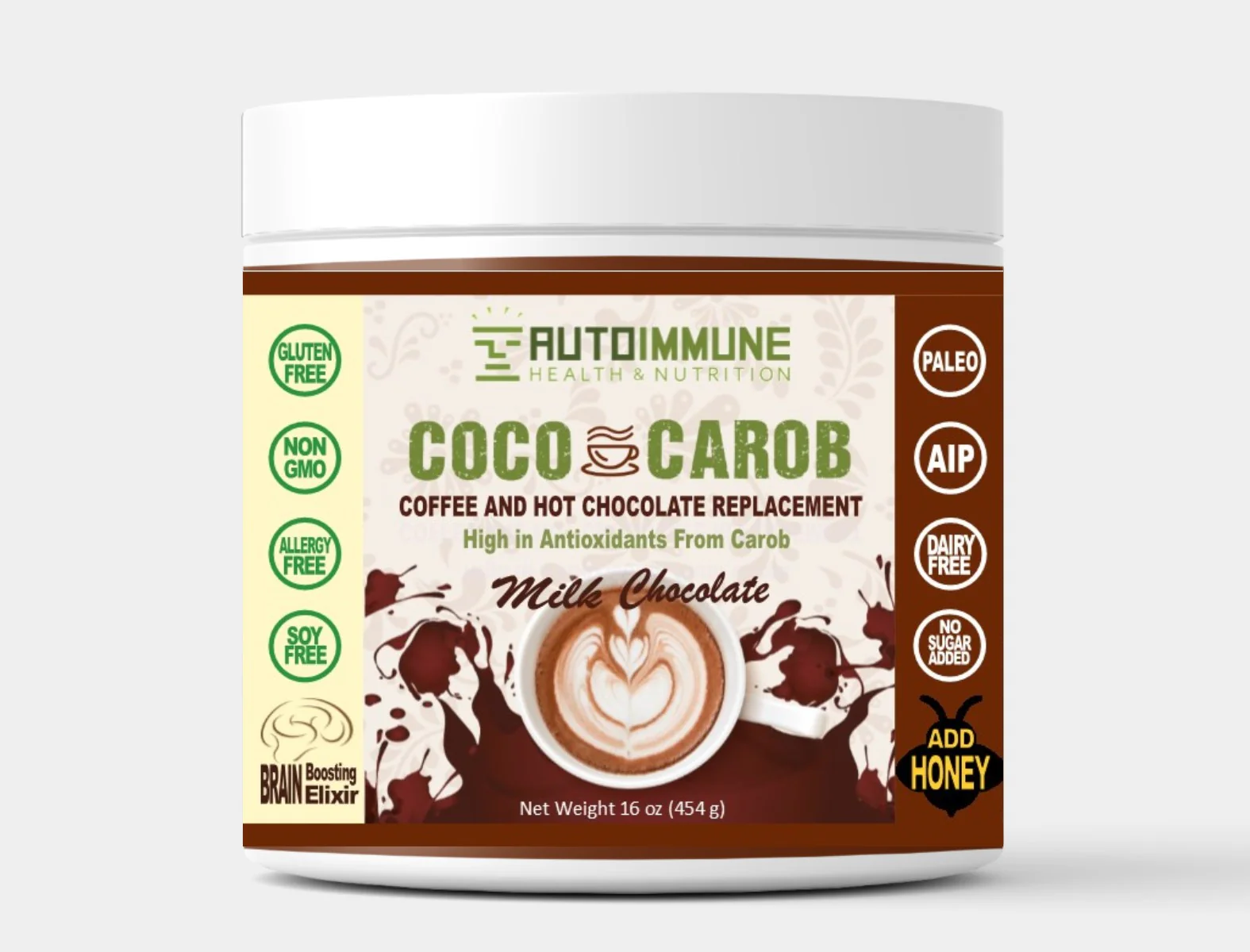
People around the world love starting their day with a strong cup of coffee. The aroma, the warmth, and the quick boost of energy make it one of the most popular beverages on the planet. However, many individuals today are looking for healthier options. Concerns about caffeine dependence, digestive issues, poor sleep, and increased anxiety have encouraged more people to turn toward a Coffee Replacement or a more natural Coffee Alternative. This shift raises an important question: Are coffee replacements actually healthier than regular coffee? Let’s explore this topic in detail.
Regular coffee contains antioxidants and can offer several benefits, such as improved focus and enhanced physical performance. But it also has drawbacks. Drinking too much coffee may cause jitters, high blood pressure, disrupted sleep, and acid reflux. Some individuals also develop caffeine dependence, feeling fatigued without their daily dose. Because of these concerns, coffee lovers are exploring alternatives made from herbs, roots, grains, and mushrooms.
One of the biggest advantages of using a Coffee Replacement is the reduced or completely eliminated caffeine content. Many coffee substitutes, such as chicory root coffee, barley beverages, dandelion root blends, and mushroom-based drinks, provide a similar roasted flavor without caffeine. This helps people enjoy a warm, comforting drink without experiencing the energy crashes that caffeine often triggers. A caffeine-free Coffee Alternative can also support steadier energy levels throughout the day, which is especially beneficial for individuals sensitive to caffeine or those who struggle with anxiety.
Health-conscious individuals appreciate that many coffee substitutes contain nutrients and natural plant compounds that support overall well-being. Chicory root, for example, is rich in inulin, a type of prebiotic fiber that supports gut health and digestion. Dandelion root blends may help cleanse the liver and reduce inflammation. Mushroom-based drinks made from reishi, lion’s mane, or chaga offer adaptogenic benefits that support mental clarity and immunity. Compared to regular coffee, which mainly provides caffeine and antioxidants, these nutrient-rich drinks can deliver additional health advantages.
Another benefit of choosing a Coffee Replacement is its positive effect on stress and sleep. Since these beverages typically contain little to no caffeine, they allow the body’s natural sleep cycle to function normally. People often report falling asleep more easily, feeling less anxious, and waking up more refreshed after switching to a low-caffeine or caffeine-free beverage. For individuals with sleep disorders or a stressful lifestyle, a Coffee Alternative can be a simple change that improves overall wellness.
Digestive health is another reason why many people switch from regular coffee. Coffee is acidic and may irritate the stomach lining, which can trigger symptoms like heartburn, indigestion, and bloating. Some people also experience digestive discomfort due to caffeine stimulating the digestive tract. Coffee substitutes, being naturally lower in acidity, are generally gentler on the stomach. Those with acid reflux or sensitive digestion often find relief when they try a less acidic Coffee Replacement.
However, it’s important to note that not all coffee alternatives are automatically healthier. Some may contain added sugars, artificial flavorings, or preservatives that reduce their nutritional value. The healthiest options are typically those made from whole, natural ingredients with minimal processing. When selecting a Coffee Alternative, reading labels and choosing clean ingredient lists can ensure you enjoy the maximum health benefits.
Another factor to consider is the flavor profile. For many coffee lovers, the bold, rich taste of coffee is what they crave most. While some alternatives mimic this roasted flavor, others taste quite different. This can be a positive experience for those wanting variety in their routine but may require an adjustment period. Fortunately, the market now offers many blends that combine herbs, mushrooms, and roasted grains to create a satisfying flavor similar to coffee.
In terms of convenience, coffee alternatives are becoming more accessible. You can find instant mixes, ground blends, tea-style bags, and ready-to-drink options. They often prepare just like coffee, making the transition easier. For people who want the ritual of drinking coffee without the side effects, switching to a Coffee Replacement maintains the comforting morning routine.
So, are coffee replacements truly healthier? The answer depends on your individual health goals and sensitivities. If caffeine makes you anxious, disrupts your sleep, or causes digestive problems, then a quality Coffee Alternative might be the healthier choice. If you enjoy the benefits of regular coffee and don’t experience any negative effects, coffee can still be part of a balanced lifestyle. Many people even choose to enjoy both—regular coffee in the morning and a caffeine-free replacement later in the day.
In conclusion, coffee replacements offer several potential health benefits, especially for those who are sensitive to caffeine or looking to reduce it. With their lower acidity, gentle digestion support, and calming ingredients, alternatives like chicory, dandelion root, and mushroom blends can be excellent additions to your wellness routine. While regular coffee has its own benefits, a thoughtfully chosen Coffee Replacement can be a healthier option for many individuals. Ultimately, the best choice is the one that supports your energy, digestion, stress levels, and overall well-being.
Congrats! You’ve Finished This Blog.