
A healthy environment begins with information. Buildings, industrial sites, and properties may contain contaminants that cannot be identified without professional evaluation. Environmental testing helps owners understand potential risks, make informed decisions, and determine appropriate next steps. Air, building materials, dust, mold, soil, groundwater, and naturally occurring gases each require methods suited to the concern.
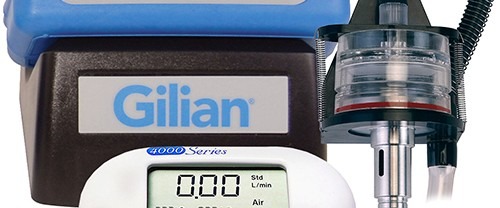
Asbestos Air Monitoring helps evaluate airborne fiber levels in buildings where asbestos-containing materials may be present. Monitoring may be appropriate during occupancy, renovation, or abatement. A sampling plan, equipment, and laboratory analysis help place results in context. An Air Quality Monitor Asbestos approach should reflect the site conditions, project scope, and applicable requirements rather than relying on one reading.
An Asbestos Testing Service can determine whether suspected building materials contain asbestos. A qualified Asbestos Testing Company can explain sampling limitations, coordinate laboratory analysis, and provide documentation. Sampling must avoid unnecessary disturbance. If asbestos is confirmed, owners should consult qualified specialists about management or removal and follow relevant regulations.
Environmental investigations may also examine metals. EPA Mercury Sampling may be appropriate when products, spills, or site history suggest a potential mercury concern. The strategy depends on the suspected source and materials involved. Proper collection, handling, and laboratory procedures are essential. Reports should identify locations, methods, findings, and recommended next steps without overstating what results establish.
Indoor Air Quality Testing Services can investigate conditions affecting building occupants. Indoor air concerns may involve ventilation, moisture, particles, odors, or specific contaminants. Testing is most useful when guided by a defined concern and a review of building history, visible conditions, and occupant observations. An assessment helps determine which issues require measurement and which may be addressed through inspection or maintenance.
Persistent dampness can support fungal growth. An Indoor Air Quality Test for Mold may be considered after water damage, unexplained odors, or occupant concerns. Indoor Air Quality Mold Testing may involve air or surface samples, but findings must be interpreted alongside a moisture assessment. A negative sample does not prove mold is absent, and a positive result does not automatically establish a health risk. Correcting the moisture source is essential for lasting improvement.
A Mold Testing and Assessment process typically examines leaks, condensation, flooding, ventilation, and affected materials. A professional may document visible growth and moisture conditions. Sampling is useful when it can answer a specific question. Remediation decisions should reflect the extent of the problem, materials involved, and appropriate professional guidance.
Lead is an important consideration in older buildings, especially where paint is deteriorating or renovation dust may be present. Lead Dust Wipe Sampling measures lead in dust collected from defined surfaces. Findings can help evaluate exposure pathways and determine whether cleaning or further investigation is warranted. Lead Risk Assessments consider building age, paint condition, dust, soil, and potentially exposed occupants. Clear reporting helps owners prioritize practical risk-reduction measures.
A Preliminary Assessment Test helps organize an investigation before extensive sampling begins. Reviewing site history, property use, building materials, previous reports, and visible conditions can identify likely concerns and guide method selection. This step can reduce unnecessary testing while ensuring important areas are considered.
Outdoor conditions matter too. Soil and Groundwater Testing can evaluate whether site activities have affected environmental media. Depending on property history, Soil Testing may examine metals, petroleum-related compounds, or other substances, while Groundwater Testing evaluates subsurface water where contamination is suspected. Sampling locations, depths, analytes, and laboratory methods should match the investigation’s objectives. Results can support property planning, due diligence, and decisions about further assessment.
Radon Testing addresses a naturally occurring radioactive gas that can enter buildings from the ground. Since radon cannot be detected reliably by sight or smell, testing is the practical way to determine indoor levels. Test placement and duration should follow recognized protocols. Elevated results should be reviewed with qualified mitigation professionals. Testing may be relevant in basements and ground-level rooms.
Selecting an environmental partner means looking for qualifications, transparent methods, careful sample handling, and understandable reports. Clients should receive an explanation of the scope, laboratory procedures, limitations, and recommended follow-up. Testing does not remove a hazard; it provides evidence to guide responsible decisions.
relianceenvironmentalllc supports informed environmental decisions through an approach to assessment and testing. Whether a project involves air, building materials, dust, mold, radon, soil, or groundwater, the objective is dependable information and communication. With careful planning and professional guidance, property owners and managers can understand conditions, address concerns, and work toward safer spaces.
For reliable environmental insight, begin with the concern observed and select an assessment designed to answer that question. Focused investigation, accurate sampling, and reporting provide a sound foundation for next steps. relianceenvironmentalllc emphasizes responsible evaluation, helping clients move from uncertainty toward informed action while keeping safety, accuracy, and site conditions at the center of every project.
Congrats! You’ve Finished This Blog.


