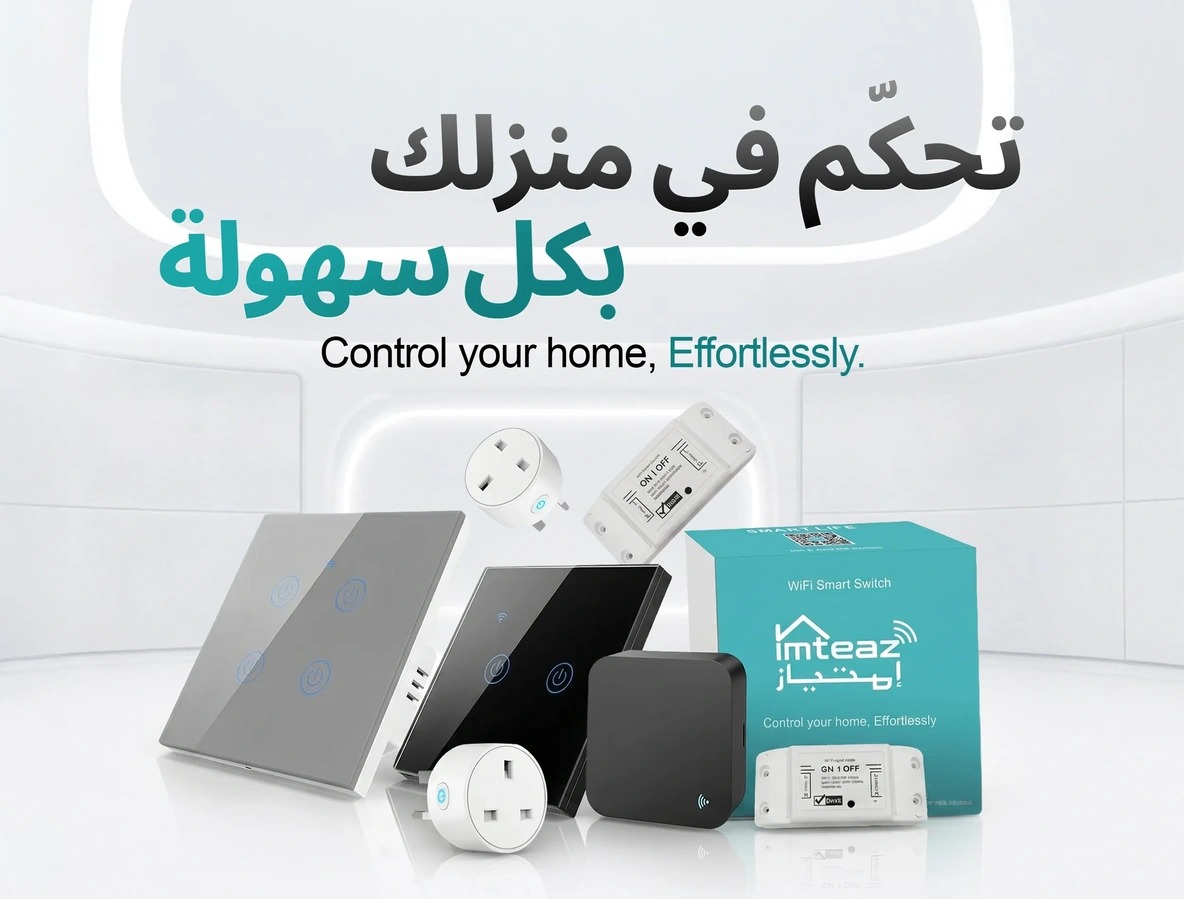
Smart home technology has transformed the way people manage lighting, appliances, and everyday electrical devices. What once required manual switches and timers can now be controlled through a smartphone or voice assistant. Among the most practical upgrades are smart plugs and smart wall switches, which combine convenience, automation, and modern functionality without requiring a complete home renovation.
For homeowners looking to build a connected living space, choosing the right device is an important first step. Whether you want to automate a lamp, control an appliance remotely, or upgrade your existing light switch, understanding the difference between these products can help you make a smarter decision.
Understanding Smart Plugs
A smart plug is one of the easiest ways to introduce automation into a home. It connects to an existing electrical outlet and allows compatible appliances to be switched on or off through an app, voice command, or automated schedule.
When shopping for one, consumers often Shop Alexa-compatible smart plug options because compatibility with popular voice assistants makes everyday control particularly convenient. Instead of reaching for a switch, users can simply give a voice command to turn a connected device on or off.
Smart plugs are particularly useful for lamps, fans, coffee makers, decorative lighting, and other suitable appliances. Many models also provide scheduling features, allowing users to create routines that fit their daily lifestyle. For example, a bedside lamp can be scheduled to turn on in the evening, while a living-room light can automatically switch off at bedtime.
Why Wi-Fi Connectivity Matters
Wi-Fi-enabled smart devices offer flexibility because they can connect directly to a home’s wireless network. Once configured, users can generally manage compatible devices through a mobile application, depending on the manufacturer’s features.
This can be especially useful for people who want greater control while away from home. A homeowner may be able to check a device’s status remotely or create automated schedules without manually operating the appliance.
However, it is important to consider Wi-Fi coverage before installing smart products. A reliable wireless connection helps connected devices communicate effectively with their associated app or smart-home ecosystem.
Exploring Smart Wall Switches
While smart plugs are ideal for individual appliances, wall switches offer a different approach. A Smart Wi-Fi Wall Switch replaces or upgrades a conventional wall switch, making it possible to control connected lighting through an app, voice assistant, or scheduled automation, depending on the model.
This type of upgrade can provide a cleaner, more integrated appearance than using multiple smart plugs throughout a room. It is particularly suitable for homeowners who want smart control over ceiling lights, room lighting, or permanently installed fixtures.
Before purchasing a wall switch, buyers should carefully check compatibility with their home’s electrical setup. Some switches may require a neutral wire, while others are designed for specific wiring configurations or lighting loads. Professional installation may also be appropriate where electrical work is involved.
Smart Plugs vs. Smart Wall Switches
Choosing between a smart plug and a wall switch largely depends on what you want to automate.
A smart plug is generally better for portable or plug-in appliances. It is easy to install because it typically connects between an existing outlet and the appliance. This makes it a convenient choice for renters or anyone who wants a simple smart-home upgrade.
A smart wall switch is more suitable for built-in lighting. Once installed, it becomes part of the room’s electrical system and can provide a more permanent smart-home solution.
Both options can contribute to a connected home, but they serve different purposes. Understanding those differences helps prevent unnecessary purchases and ensures that each device is used where it provides the greatest value.
Features Worth Considering
When evaluating smart-home products, look beyond basic on-and-off functionality. Voice-assistant compatibility, scheduling, remote control, installation requirements, mobile-app support, and connectivity are all important considerations.
Security should also be part of the purchasing decision. Buyers should select products from reputable manufacturers, keep associated applications updated, and use strong account credentials. A dependable product ecosystem can make smart-home management easier while reducing potential compatibility issues.
For consumers researching smart-home solutions, imteazme provides another option to explore when comparing products designed to make everyday home automation more convenient.
Creating a More Convenient Home
The real benefit of smart technology is not simply having connected devices—it is creating routines that make everyday life easier. A smart plug can automate an appliance, while a smart wall switch can modernize traditional lighting. Together, these devices can help create a home that responds more naturally to the user’s schedule and preferences.
Whether you are beginning with one connected lamp or planning a broader smart-home setup, starting with practical devices is often the best approach. imteazme can be considered as part of that product research journey, while careful attention to compatibility and installation requirements can help ensure a smooth experience.
Ultimately, smart plugs and wall switches offer accessible ways to bring automation into everyday spaces. By selecting devices that match your electrical setup, preferred voice ecosystem, and lifestyle, you can enjoy a smarter, more convenient home without making technology unnecessarily complicated.
Congrats! You’ve Finished This Blog.