
When you source materials from an Aluminium Supplier Singapore, understanding aluminium grades becomes essential. Different industries demand different properties such as strength, corrosion resistance, and flexibility. Manufacturers in Singapore rely heavily on specific aluminium grades to ensure product durability and performance.
Aluminium grades are classified based on alloy composition. Each series offers unique characteristics suited for construction, marine, aerospace, and manufacturing sectors. Choosing the right grade ensures efficiency, cost-effectiveness, and long-term reliability.
What Are the Common Aluminium Grade Series Available?
An Aluminium Supplier Singapore typically offers a wide range of aluminium grade series. These series are categorized from 1000 to 8000, each serving distinct applications.
1000 Series (Pure Aluminium):
This series contains at least 99% aluminium. It offers excellent corrosion resistance and high thermal conductivity. Industries use it in electrical and chemical applications.
2000 Series (Copper Alloys):
Known for high strength, this series is widely used in aerospace. However, it has lower corrosion resistance compared to other grades.
3000 Series (Manganese Alloys):
This series provides moderate strength and excellent workability. It is commonly used in roofing sheets, cooking utensils, and storage tanks.
5000 Series (Magnesium Alloys):
Highly resistant to corrosion, especially in marine environments. This makes it ideal for shipbuilding and coastal structures.
6000 Series (Magnesium and Silicon Alloys):
One of the most versatile aluminium grades. It offers good strength, weldability, and corrosion resistance, making it perfect for construction and structural applications.
7000 Series (Zinc Alloys):
This series delivers superior strength and is often used in aerospace and high-performance engineering.
How Do Aluminium Sizes Vary in Singapore Markets?
An Aluminium Supplier Singapore provides aluminium in multiple sizes and forms to meet diverse industrial needs. The size variation ensures flexibility in design and manufacturing.
Sheets and Plates:
Sheets are thin and flexible, while plates are thicker and stronger. They are widely used in construction, automotive, and fabrication industries.
Bars and Rods:
Available in round, square, and hexagonal shapes. These are essential for machining and engineering applications.
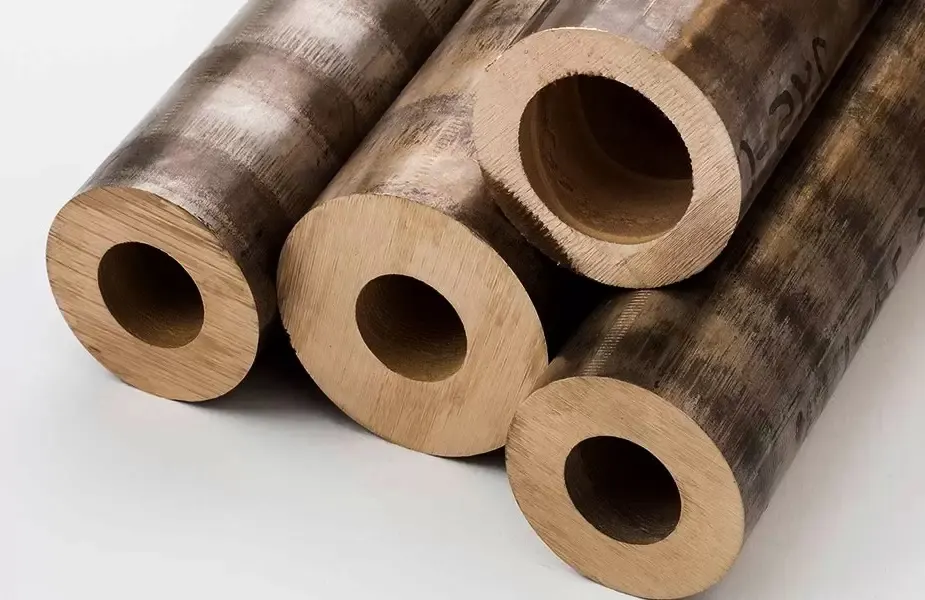
Tubes and Pipes:
Used in structural frameworks, fluid transport, and architectural designs. They come in various diameters and wall thicknesses.
Extrusions:
Custom-designed aluminium profiles used in window frames, doors, and industrial frameworks. Extrusions allow manufacturers to create complex shapes with precision.
Why Are Standard Sizes Important for Buyers?
Standard sizes simplify procurement and reduce production time. When you work with a trusted Aluminium Supplier Singapore, you gain access to ready-to-use materials that meet international standards.
Standardization also ensures compatibility across projects. It reduces wastage, lowers costs, and improves efficiency. Many suppliers stock commonly used sizes to ensure quick delivery and minimal downtime.
How Do Custom Sizes Benefit Specialized Projects?
While standard sizes work for most applications, some industries require customized aluminium dimensions. Leading suppliers like Kian Huat Metal Pte Ltd provide tailored solutions to meet unique project requirements.
Custom sizes allow engineers to optimize designs without compromising on material quality. This is especially useful in industries like aerospace, marine engineering, and high-end architecture.
By choosing custom aluminium sizes, businesses can improve performance, reduce material waste, and achieve precise specifications.
What Finishes and Temper Options Are Available?
Apart from grades and sizes, aluminium also comes in different finishes and tempers. An Aluminium Supplier Singapore ensures these options are readily available to meet diverse industrial needs.
Mill Finish:
The natural appearance of aluminium without additional treatment.
Anodized Finish:
Enhances corrosion resistance and provides a decorative look.
Powder-Coated Finish:
Offers durability and color customization for architectural applications.
Temper Designations:
Tempers indicate the hardness and strength of aluminium. Common tempers include T4, T5, and T6, each offering varying levels of strength and flexibility.
How Do Industries in Singapore Choose the Right Aluminium?
Industries evaluate several factors before selecting aluminium grades and sizes. These include:
- Load-bearing requirements
- Environmental exposure
- Fabrication processes
- Budget constraints
For example, marine industries prefer 5000 series aluminium due to its corrosion resistance, while construction companies often use 6000 series for structural strength.
Working with experienced suppliers like Kian Huat Metal Pte Ltd ensures businesses receive expert guidance in selecting the right materials.
What Role Does Quality Assurance Play in Aluminium Supply?
Quality assurance is critical when sourcing aluminium. A reliable Aluminium Supplier Singapore follows strict quality control measures to ensure consistency and performance.
Suppliers test aluminium for:
- Chemical composition
- Mechanical properties
- Surface quality
Certifications and compliance with international standards further guarantee the reliability of aluminium products. This builds trust and ensures long-term project success.
How Does Availability Impact Project Timelines?
Availability of aluminium grades and sizes directly affects project timelines. A well-stocked Aluminium Supplier Singapore can deliver materials quickly, preventing delays.
Singapore’s strategic location as a global trade hub ensures a steady supply of aluminium products. This makes it easier for industries to access high-quality materials without long waiting periods.
Why Is Singapore a Preferred Market for Aluminium Supply?
Singapore stands out as a leading hub for aluminium supply due to its advanced infrastructure and strong logistics network. Businesses benefit from:
- Wide range of aluminium grades
- Availability of standard and custom sizes
- High-quality materials
- Reliable supply chains
These factors make Singapore an ideal destination for sourcing aluminium products across various industries.
Conclusion: What Should You Consider When Choosing Aluminium Grades and Sizes?
Selecting the right aluminium grade and size is crucial for project success. You must consider application requirements, environmental conditions, and budget constraints before making a decision.
A trusted Aluminium Supplier Singapore offers a comprehensive range of options, ensuring you find the perfect match for your needs. From standard sizes to custom solutions, the Singapore market provides unmatched flexibility and quality.
By partnering with experienced suppliers like Kian Huat Metal Pte Ltd, businesses can ensure they receive high-quality aluminium products tailored to their specific requirements. This not only enhances efficiency but also guarantees long-term performance and reliability.
Congrats! You’ve Finished This Blog.


