Interior design is more than the arrangement of furniture and decorative elements; it is a reflection of history, culture, craftsmanship, and innovation. Across generations, influential design movements and visionary creators have shaped the way people experience living spaces. Today’s interiors often combine traditional values with modern functionality, creating environments that are both beautiful and practical. From handcrafted traditions to groundbreaking furniture concepts, the legacy of iconic design influences continues to inspire contemporary homes around the world.
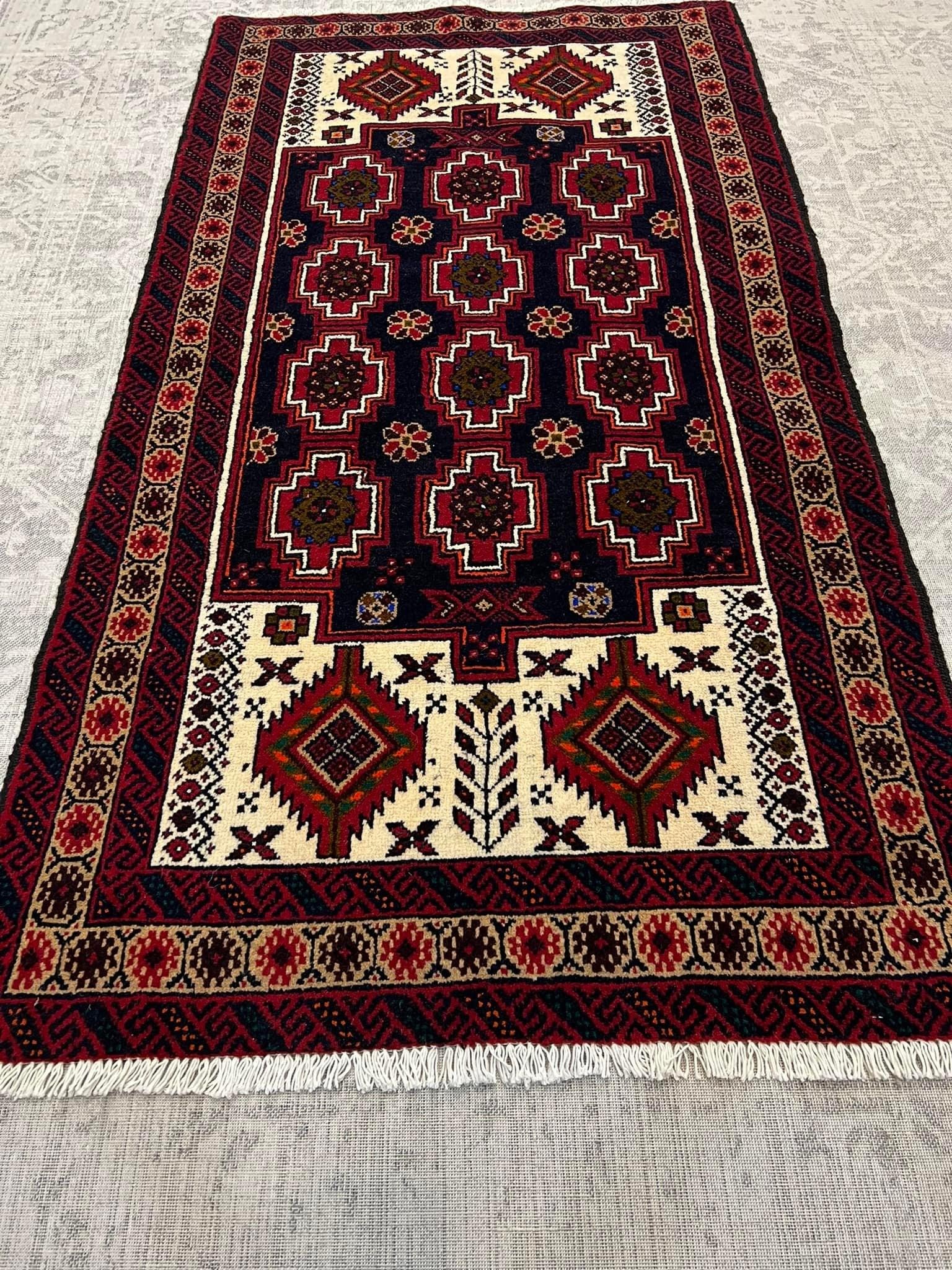
One of the most meaningful sources of inspiration in design is Folk art. Rooted in cultural traditions and community craftsmanship, Folk art reflects the creativity of ordinary people through handmade objects, decorative motifs, and artistic storytelling. Unlike industrial production, Folk art carries a personal touch that adds warmth and authenticity to interior spaces. Its influence can be seen in modern homes that prioritize individuality and meaningful design details.
Another important influence is Vernacular design, which emerges from local building traditions, materials, and environmental conditions. Rather than following formal design rules, Vernacular architecture develops naturally in response to practical needs. The principles of Vernacular design remain highly relevant today, particularly as sustainability and regional identity become increasingly important in architecture and interior design.
The timeless appeal of Alpine Design has also contributed significantly to contemporary interiors. Inspired by mountain environments, Alpine Design emphasizes natural materials, comfortable furnishings, and a strong connection to nature. Combined with Rural influences, it creates spaces that feel inviting, peaceful, and grounded. The charm of Rural living continues to resonate with homeowners who seek a balance between simplicity and sophistication.
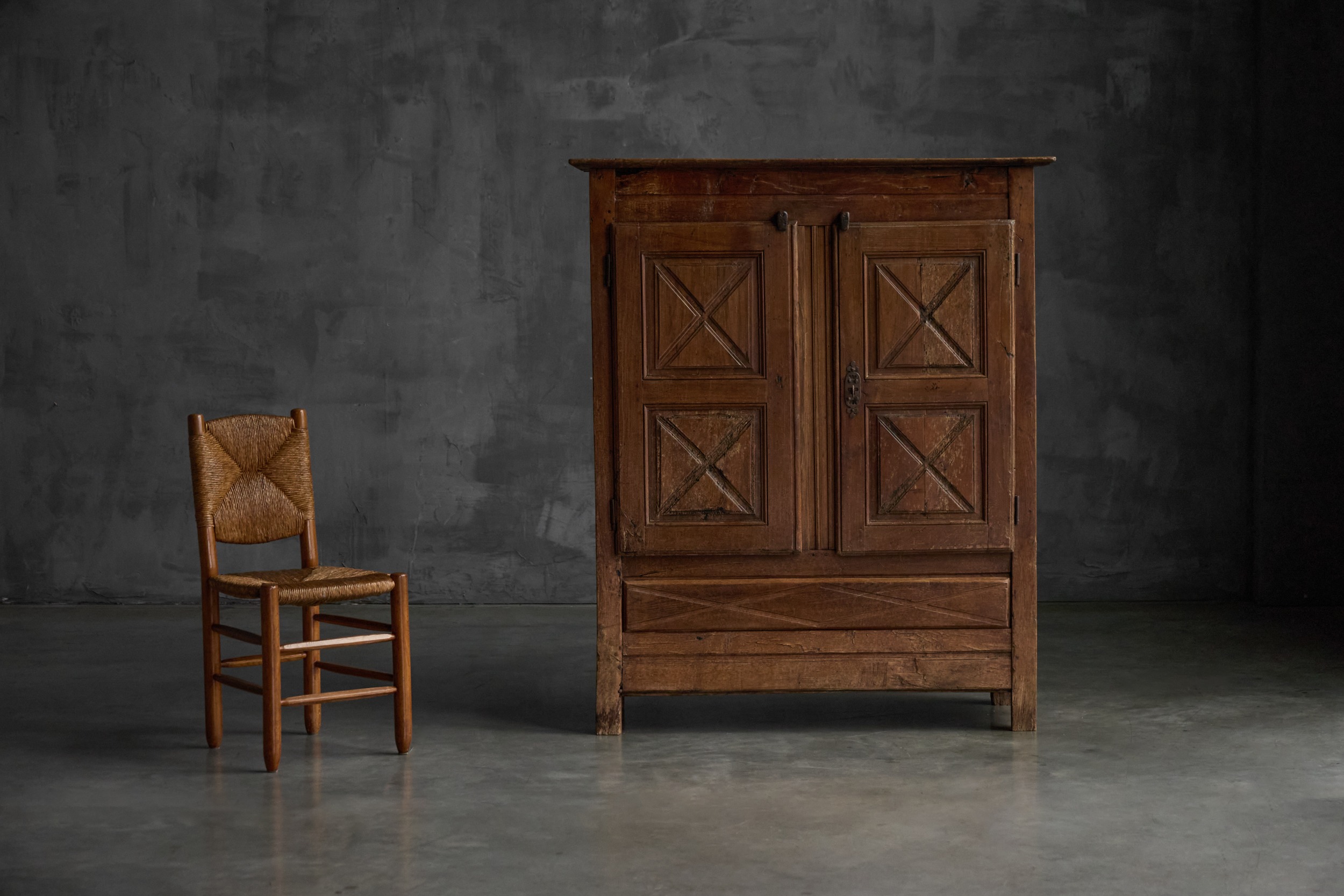
A key feature of these interiors is the presence of Rustic Furniture. Crafted from wood and other natural materials, Rustic Furniture celebrates authenticity, durability, and craftsmanship. Its organic textures and timeless character make it a popular choice for both traditional and modern spaces. As consumers increasingly value quality over mass production, the demand for Rustic Furniture continues to grow.
The study of architectural proportion has been greatly influenced by Dom Hans van der Laan. His theories explored how spatial relationships affect human perception and comfort. Through his work, Dom Hans van der Laan demonstrated that successful design depends on harmony, balance, and thoughtful proportions. These concepts remain influential among architects and designers who aim to create environments that feel naturally comfortable.
In contrast to perfection-driven aesthetics, Wabi Sabi embraces imperfection and impermanence. Originating from Japanese philosophy, Wabi Sabi encourages appreciation for natural aging, subtle beauty, and authenticity. This design approach has become increasingly popular in contemporary interiors, where simplicity and mindfulness are often valued more than excessive decoration.
European design history has introduced several influential movements, including the distinctive Amsterdamse School. Known for expressive architecture, artistic detailing, and sculptural forms, the Amsterdamse School challenged traditional conventions and encouraged creative experimentation. Its legacy continues to inspire designers seeking originality and artistic expression.
Another movement with enduring appeal is Art Deco. Emerging during the early twentieth century, Art Deco became synonymous with luxury, elegance, and innovation. Defined by geometric patterns, bold forms, and refined materials, Art Deco remains a powerful influence in modern interiors, particularly in spaces designed to convey sophistication and glamour.
The evolution of modern living would be impossible to discuss without recognizing Mid-Century Design. This influential movement introduced clean lines, functional forms, and innovative manufacturing techniques. The enduring popularity of Mid-Century Design reflects its ability to balance practicality with timeless aesthetics. Today, many contemporary interiors continue to incorporate furniture and architectural elements inspired by Mid-Century Design principles.
Global influences have further enriched modern design through movements such as Brazilian Design. Known for combining modernist ideas with organic forms and natural materials, Brazilian Design creates environments that feel both elegant and approachable. The warmth and creativity associated with Brazilian Design continue to inspire designers around the world.
The contributions of renowned furniture designers have also played a major role in shaping contemporary interiors. Pierre Chapo is celebrated for his exceptional woodworking skills and commitment to structural integrity. His furniture highlights the beauty of natural materials while demonstrating remarkable craftsmanship. Likewise, Charlotte Perriand revolutionized interior design through furniture that combined comfort, functionality, and modern aesthetics.
Innovation and engineering excellence define the work of Jean Prouvé, whose designs seamlessly merged practicality with creativity. The influence of Jean Prouvé remains evident in contemporary furniture and architecture that prioritize efficiency and elegance.
Italian design has contributed significantly to the global design landscape through the work of Afra & Tobia Scarpa. Their creations are admired for blending traditional craftsmanship with innovative thinking, resulting in pieces that remain relevant decades after their introduction. Similarly, Mario Bellini has become one of the most respected names in contemporary furniture design. His ability to create adaptable and visually striking furniture has earned international acclaim.
One of Bellini’s most celebrated creations is the Camaleonda, a modular sofa system that transformed the concept of flexible living. The Camaleonda remains a favorite among designers and homeowners because of its versatility, comfort, and timeless appearance.
The appreciation of natural materials is beautifully represented in the work of Nakashima. His furniture celebrates the organic beauty of wood, preserving its unique character rather than concealing it. Through this philosophy, Nakashima demonstrated that furniture can be both functional and deeply artistic.
Equally influential is Pierre Jeanneret, whose furniture designs have become iconic symbols of modernist elegance. The simplicity and practicality found in Pierre Jeanneret creations continue to inspire contemporary designers and collectors worldwide.
Many of these movements and designers share a common belief in the value of Functional Art. This concept emphasizes that everyday objects can be both useful and aesthetically significant. By embracing Functional Art, designers create pieces that enhance daily life while serving as expressions of creativity and craftsmanship.
Modern brands such as goldwoodbyboris recognize the importance of preserving these timeless influences. By drawing inspiration from Folk art, Wabi Sabi, Art Deco, and Mid-Century Design, they contribute to a design culture that values heritage, innovation, and quality craftsmanship.
As interior design continues to evolve, the influence of pioneers like Pierre Chapo, Charlotte Perriand, Jean Prouvé, Afra & Tobia Scarpa, Mario Bellini, Nakashima, and Pierre Jeanneret remains stronger than ever. Through their enduring contributions and the dedication of companies such as goldwoodbyboris, the principles of exceptional design continue to inspire spaces that are functional, beautiful, and timeless.
Congrats! You’ve Finished This Blog.