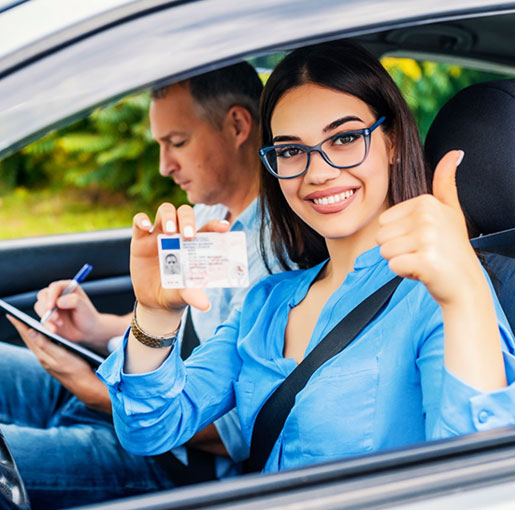
Preparing for a DMV road test can feel stressful, especially if you are unsure how instructors decide when you are truly ready. At a professional driving school, instructors follow clear, practical standards to evaluate your skills before recommending you for the exam. Their goal is simple: make sure you can drive safely, confidently, and independently in real-world conditions. Understanding this evaluation process can help you prepare better and approach your driving school dmv road test with confidence.
Assessing Basic Vehicle Control
Driving school instructors begin by evaluating your control over the vehicle. They look closely at how you start the car, adjust mirrors, fasten your seatbelt, and position yourself correctly before driving. These steps may seem basic, but they reflect your overall awareness and discipline.
During lessons, instructors watch how smoothly you accelerate, brake, and steer. Jerky movements, sudden stops, or poor steering control signal that you need more practice. A student who maintains steady speed, uses pedals smoothly, and keeps the vehicle centered in the lane shows strong readiness for the DMV test.
Observing Knowledge of Traffic Laws
A key part of readiness is your understanding of traffic rules. Instructors regularly test this knowledge during driving sessions. They expect you to obey speed limits, follow road signs, and respond correctly to traffic signals without reminders.
For example, instructors notice whether you make complete stops at stop signs, yield properly at intersections, and respect pedestrian crossings. If you hesitate or rely on prompts, they know you are not yet ready. When you consistently apply traffic laws on your own, instructors gain confidence in your ability to pass the road test.
Evaluating Situational Awareness
Situational awareness plays a major role in the DMV road test. Driving school instructors closely observe how well you scan the road, check mirrors, and anticipate hazards. They want to see you actively looking ahead, not just reacting at the last second.
Instructors evaluate whether you check blind spots before changing lanes, look left and right at intersections, and monitor surrounding vehicles. Good awareness shows that you can drive defensively, which is exactly what DMV examiners expect.
Testing Parking and Maneuvering Skills
Parking and low-speed maneuvers often cause anxiety, so instructors spend extra time evaluating these skills. They assess how you perform parallel parking, backing up, three-point turns, and parking in marked spaces.
Instructors look for control, patience, and accuracy rather than speed. If you align the car correctly, use mirrors effectively, and stay within boundaries, you demonstrate readiness. Repeated mistakes, hitting curbs, or relying on instructor guidance indicate that more practice is needed before scheduling the test.
Measuring Consistency and Independence
One of the strongest indicators of readiness is consistency. Driving school instructors do not judge you based on one good lesson. Instead, they look for steady performance across multiple sessions.
They also evaluate how independently you drive. If you still need frequent reminders about signals, speed, or positioning, instructors know you may struggle during the actual exam. When you drive confidently without coaching, they see that you can handle the pressure of the DMV road test on your own.
Evaluating Test-Day Behavior
Instructors also prepare you for the structure and stress of the test itself. They simulate real test conditions during practice drives. They observe how you respond to instructions, stay calm, and recover from minor mistakes.
Staying composed matters as much as technical skill. Instructors watch your attitude, focus, and ability to follow directions clearly. A calm and attentive driver shows mental readiness, which is essential for passing.
Considering Adult Drivers and the Adult Waiver DMV Option
For adult learners, instructors apply the same high standards but tailor their evaluation to your experience level. Many adults qualify for the adult waiver dmv, which allows them to skip the on-road DMV test after completing a state-approved driving course.
Before recommending an adult for this waiver, instructors conduct a thorough assessment. They ensure you demonstrate safe driving habits, strong decision-making, and full understanding of traffic laws. They only approve the waiver when they are confident you meet or exceed DMV expectations.
This process protects both the driver and the public. It ensures that adults who receive the waiver truly possess the skills needed to drive independently.
Final Instructor Recommendation
After reviewing all these factors, instructors make a final recommendation. If they believe you are ready, they encourage you to schedule your test or complete the paperwork for the adult waiver. If not, they provide clear feedback and targeted practice plans to help you improve.
Congrats! You’ve Finished This Blog.